Virtual Payment Address (VPA) - What is VPA in UPI?
Key Takeaways
- A VPA is a unique identifier used in UPI that enables users to send and receive money without sharing bank account details or IFSC codes.
- VPAs improve security and privacy by acting as a payment alias, ensuring sensitive banking information remains hidden during transactions.
- Creating and using a VPA is simple users can set it up through a UPI app, link it to a bank account, and make instant payments using a UPI PIN.
- Businesses benefit from VPAs by using them across QR codes, invoices, websites, and payment links, making payment collection more convenient and professional.
- VPAs support multiple payment methods, including QR code payments, payment links, collect requests, and direct peer-to-peer or merchant transactions.
- There is no functional difference between a VPA and a UPI ID; both serve the same purpose of identifying a user or business for UPI payments.
Have you ever noticed how UPI apps never ask for your bank account number? When you set up your UPI, all you are asked for is to create something that looks like an email address, and you are all set.
That "email-like address" is essentially a Virtual Payment Address (VPA): a simple replacement to enable quick transfer of funds. You no longer have to enter 16-digit account numbers or IFSC codes to send or receive funds.
This post will explore what VPA is in UPI, including its workings, the benefits it offers, and the most common suffixes in use for VPA today.
What Is VPA In UPI?
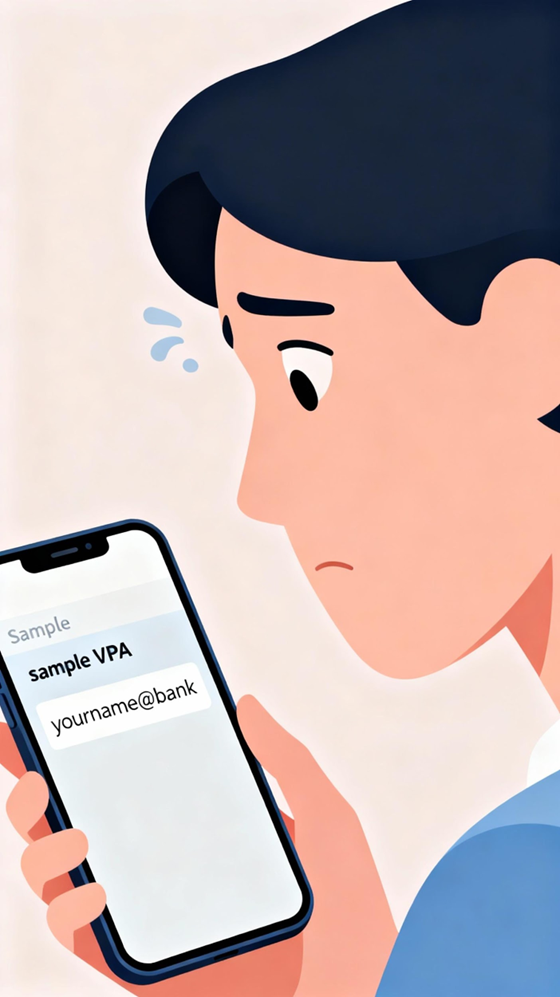
A Virtual Payment Address (VPA) in UPI is a unique alphanumeric ID typically in the format identifier@handle that maps to a bank account and acts as the addressing layer for sending and receiving money through the Unified Payments Interface. For a business, a VPA serves as a public-facing payment address that customers, vendors, and platforms use to credit funds directly to a settlement account, without exposing the underlying bank account number or IFSC code.
Why a business needs a VPA for accepting UPI payments:
- Single addressable identity: printable on invoices, QR stickers, websites, and bills
- No bank-detail leakage: customers see only the VPA, not the underlying account number
- Multi-channel acceptance: one VPA serves QR-scan, app-push, and payment-link transactions
- Same-day settlement: funds credit to the linked current account, usable for vendor payouts the same day
- Brand recognisability: a custom-named VPA reinforces business identity at the moment of payment
- Standard VPA formats in India: identifier@bankhandle (e.g., businessname@okhdfcbank) or identifier@upiapphandle (e.g., businessname@paytm).
Also Read: Advantages of Using UPI for Everyday Transactions
How Does VPA Work in UPI Payments?
A Virtual Payment Address works through three core processes: creation, sending money, and receiving money.
Creating a Virtual Payment Address (VPA)
It's a simple process and is generally the same across all banking apps.
- Download a Trusted App: Install a UPI app of your choice. Paytm, BHIM, Google Pay, and PhonePe are some popular options. You can also set up a VPA for your UPI directly from a bank's app, too.
- Register Your Mobile Number: All UPI apps will ask you to enter your mobile number and verify it via OTP.
- Select Your Bank: Once verified, it will then show you your banking accounts linked to that number. Pick the one that you want to link and use for UPI transactions.
- Set Your VPA: This is where you can set up your VPA; the defaults are usually yourname@appname or mobilenumber@appname formats. You can choose a unique VPA too.
- Create UPI PIN: You then create a PIN (either 4 or 6 digits) to secure your transactions.
- Activate Your VPA: Once the process is done, your new VPA activates immediately and appears in your app profile.
Read Also: How to Get Phone Number from UPI ID?
Sending Money via VPAs
You can transfer funds using your VPAs using the following steps -
- Initiate the Payment: Open your UPI app and look for the "Pay" option. This can vary based on the app. In case you are on a bank's app, first enter the UPI section of the app and then locate this option.
- Enter the Details: Provide the VPA of the person you want to pay. If the VPA is correct, you will see a green check that verifies that the VPA is correct. Enter the amount you want to send and add a comment if you want to.
- Authenticate the Payment: You will then be asked to enter your secure 4 or 6-digit PIN to authenticate the payment. Once done, the funds will be transferred instantly.
Receiving Money Using VPA
To receive funds via your VPA, all you need to do is the following -
- Send Your VPA: Share it with the person from whom you want to receive funds.
- They Initiate the Transfer: The person then needs to follow the exact same steps as above to send you the requested amount.
- Verify Credit: Once done, you should receive an email or SMS (depending on which communication channel you have activated for alerts) telling you that the funds have been credited to your account.
Common VPA Formats and Suffixes for Leading Banks and Apps in India
VPA format in UPI follows a consistent structure across the board: uniqueidentifier@handlename. The unique identifier is your chosen username, while the handle name represents your bank or UPI service provider.
Here are the suffixes of the most popular UPI apps and UPI-enabled banking apps, along with examples of what their VPAs look like.
| UPI/Bank App | VPA Suffix | Common Examples |
| Axis Bank | @okaxis | john@okaxis
8374837483@okaxis customusername@okaxis |
| HDFC Bank | @hdfcbank, @okhdfc | vikram_shah@hdfcbank
7890123456@okhdfc |
| ICICI Bank | @icici, @okicici | deepak.kumar@icici
anjali1990@okicici |
| State Bank of India | State Bank of India | kavita25@sbi
sneha.iyer@oksbi |
| Google Pay | @okaxis, @okhdfcbank | amit.patel@okaxis
pooja_shah@okhdfcbank |
| BHIM | @upi | manish.verma@upi
9123456780@upi |
| Amazon Pay | @apl | ritu.singh@apl
karan786@apl |
Benefits of Using VPA in UPI Payments
Using VPAs in digital payments offers several benefits, such as -
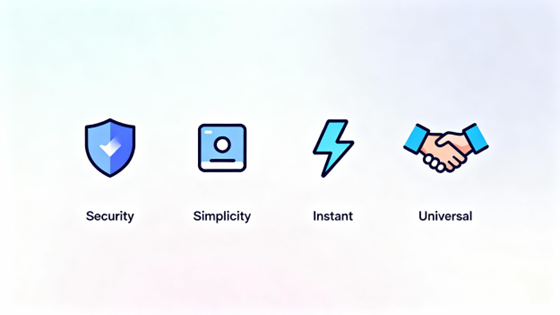
- Improved Security: When you share a VPA, you're not sharing sensitive banking info like your account number and IFSC code.
- Simplified Transactions: All you need to do is memorise one VPA instead of multiple account numbers and IFSC codes.
- Instant Money Transfers: UPI transfers are instant and work 24/7, 365 days a year.
- Cross-bank Compatibility: You can receive money from any bank account across India without having to add them as beneficiaries.
Also Read: Is UPI Safe? Security Features Every User Should Know
Different Kinds of VPA in UPI and Their Usage
If you’re wondering what VPA is in UPI, it’s a unique ID that enables secure, instant payments without sharing bank details. Here are the main types of VPA in UPI and how they are used:
- Peer-to-Peer (P2P) VPA: Used for transferring money between individuals, making daily payments simple, fast, and hassle-free.
- Peer-to-Merchant (P2M) VPA: Designed for businesses to receive payments from customers, ensuring secure and seamless merchant transactions.
- Peer-to-Merchant Virtual (P2M-V) VPA: Allows businesses to create multiple alias VPAs for better payment tracking and easy reconciliation.
Common merchant payment flows that route through a VPA:
- Static QR code: customer scans the printed counter sticker; the app reads the embedded VPA and pushes payment
- Dynamic QR code: generated per invoice with the amount pre-filled (used by e-commerce, food delivery, and ride-hailing apps)
- Payment links: VPA-backed UPI deep links sent over SMS, email, or messaging apps
- Collect request : the merchant initiates a payment request which the customer authorises from their UPI app
What is the Difference Between VPA and UPI ID?
Understanding what is vpa in UPI is becomes easier with a quick comparison:
| Feature | VPA (Virtual Payment Address) | UPI ID |
| Definition | Technical term used in UPI systems | A common term used by users |
| Purpose | Unique ID to send/receive money | Same function as VPA |
| Format | Example: name@bank | Same format as VPA |
| Usage Context | Used by banks and backend systems | Used in apps like Google Pay, PhonePe |
| Difference | No functional difference | No functional difference |
Things to Keep in Mind with VPA in UPI
Understanding what VPA in UPI is is essential for secure digital payments. Keep these key points in mind:
- Accuracy matters: Always double-check the VPA before sending money to avoid errors.
- Privacy protection: A VPA hides your bank details, but avoid sharing it publicly.
- Easy customisation: Choose a simple, recognisable VPA for smoother transactions.
- Security first: Enable app locks and never share your UPI PIN.
- Bank linking: Ensure your VPA is correctly linked to the right bank account.
Your Gateway to Faster and Safer UPI Payments
A Virtual Payment Address has changed how people transfer money in India. What was once a long and complex process now only takes a couple of clicks and a minute or two. The icing on the cake is that anyone with a bank account can create one and start transferring immediately.
Once your VPA is set up, managing money becomes effortless. You can pay utility bills, subscriptions, friends, and even loan EMIs in just a few taps.
And if you’re short of funds when an important payment or EMI is due, you don’t have to panic or break your savings. A Hero FinCorp personal loan can give you instant financial breathing room.
Check your eligibility and apply for a Hero FinCorp personal loan now to top up your balance and stay in full control of every UPI payment you make.
Frequently Asked Questions
Does VPA expire if I don't use it?
Your VPA, once activated, remains so indefinitely as long as your UPI app stays installed and your bank account remains active.
Can I change or edit my VPA?
Yes, most apps allow it. You should find the options in the UPI section under the settings or profile options.
What is the transaction limit for payments via VPA in UPI?
NPCI has set the UPI transaction limits at ₹1 lakh per transaction. Daily limits can also vary by bank.
How many VPAs can I create for a single bank account?
You can create multiple VPAs across different UPI apps, typically 2-5 VPAs per app, all linking to the same bank account.
Is it safe to print my business VPA on public marketing collateral?
Yes, sharing your VPA is safe for receiving money as it does not reveal sensitive bank account details.
How do I find my VPA in a UPI app?
You can check your VPA in the profile or UPI settings section of your app, usually displayed under your account details.
Can two users have the same VPA in UPI?
No, every VPA is unique to each user, ensuring that payments are directed to the correct account.
What happens if I enter the wrong VPA while sending money?
If the VPA exists, the money will be sent to that account, so always verify the recipient name before confirming payment.
Can I link multiple bank accounts to one VPA in UPI?
No, a single VPA can be linked to only one primary bank account at a time, though you can switch accounts if needed.
Disclaimer: The information provided in this blog post is intended for informational purposes only. The content is based on research and opinions available at the time of writing. While we strive to ensure accuracy, we do not claim to be exhaustive or definitive. Readers are advised to independently verify any details mentioned here, such as specifications, features, and availability, before making any decisions. Hero FinCorp does not take responsibility for any discrepancies, inaccuracies, or changes that may occur after the publication of this blog. The choice to rely on the information presented herein is at the reader's discretion, and we recommend consulting official sources and experts for the most up-to-date and accurate information about the featured products.