What Is a Payment Gateway and How Does It Work?
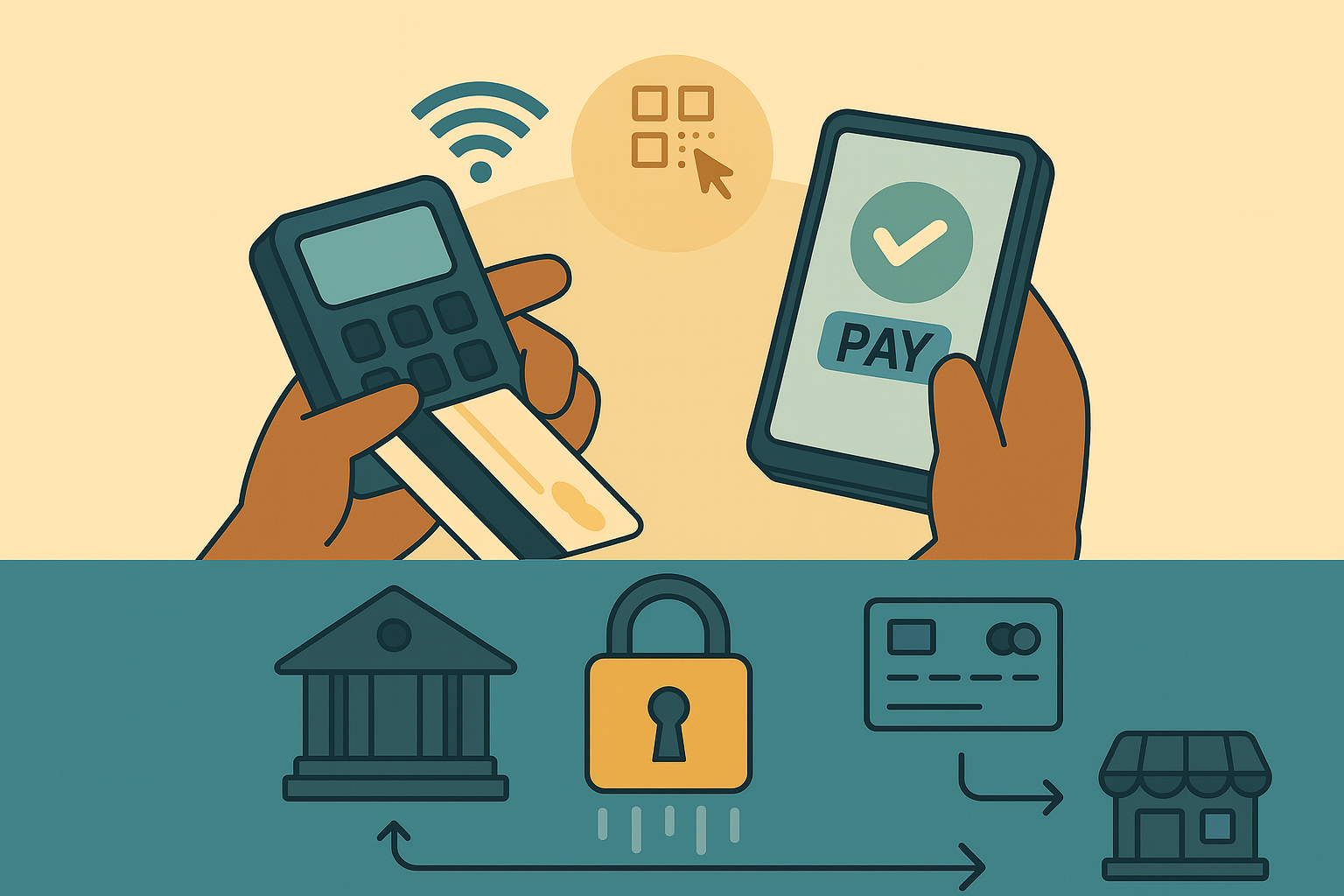
Most of us tap, scan, or click to pay without thinking much about what happens next. Payments go through in seconds, yet there is an entire system working in the background to make it smooth and secure. At the centre of this process is the payment gateway.
When you make a payment online, the gateway takes the information you’ve entered and locks it in place with encryption. It then checks with your bank to see if the payment can go through. If everything is in order, the amount is sent to the merchant.
The whole thing finishes in a moment, often before you even think about what’s happening behind the screen.
As you read on, you’ll see what a payment gateway really does behind the scenes and why it matters for both sides of a payment.
What Is a Payment Gateway?

A payment gateway is the tool that makes online payments work by safely passing information between the customer, the merchant, and their banks. When someone pays using a card, UPI, net banking, or a wallet, the gateway collects the details and encrypts them. It then forwards the information to the bank to confirm the payment.
When the bank approves the payment, the merchant gets the update, and the transaction goes through. Across India, online stores, neighbourhood shops, service providers, and many app-based businesses use payment gateways to handle these digital payments.
The gateway sits in the middle of the process, taking care of the handover from the customer to the merchant. It adds some safety to the whole exchange, which usually makes both sides feel a bit more at ease about the payment.
Also Read: How to Register PSP in UPI: A Complete Step-by-Step Guide
How Does a Payment Gateway Work?
A payment gateway goes through a few steps to move the money across. It is easier to understand when you look at a simple example of someone in India paying online with a card or UPI.
Step 1: Customer Initiates Payment
Once a customer lands on the checkout screen, they look through the payment choices and pick one. It could be a card, UPI, or net banking.
Step 2: Payment Gateway Encrypts and Forwards Payment Data
The gateway collects the information, encrypts it for safety, and forwards it to the acquiring bank or processor.
Step 3: Bank Authorisation and Fraud Checks
The acquiring bank forwards the request to the customer’s bank. There, the bank looks over the details, checks the balance, and runs a few safety checks before deciding if the payment can go through.
Step 4: Transaction Approval or Decline and Customer Notification
The result travels back through the gateway to the merchant’s site or app. The customer sees a success or failure message, and the merchant updates the order.
Also Read: What is a UTR Number, Example & How to Check It?
Step 5: Settlement and Fund Transfer
If approved, the customer’s bank begins the transfer to the merchant’s acquiring bank. In India, this usually follows T+1 to T+3 timelines, while UPI can settle faster.
Types of Payment Gateways in India
Businesses in India use a few common types of payment gateways. Each one offers a different level of control, effort, and flexibility during checkout.
1. Hosted Payment Gateway
Here, the customer is taken from the merchant site to a separate, secure payment page. The provider handles the setup and security, which keeps things easy for the merchant.
- Examples -Razorpay, PayU
- Best for -Small businesses or anyone who wants a quick setup
2. Self-Hosted Payment Gateway
The merchant collects payment details on their own site and then sends the information to the processor. This allows full control over the design and flow of the checkout. It also creates more responsibility for security.
- Example -Custom enterprise setups
- Best for -Businesses with a technical team
3. API-Hosted Payment Gateway
The customer completes the entire checkout on the merchant’s website. The gateway processes the payment through API calls in the background. This keeps the experience smooth and consistent.
- Examples -Razorpay, Cashfree, PayU
- Best for -Brands that want a clean, integrated payment experience
4. Bank-Integrated Gateway
Some gateways are offered directly by banks or run through banking partners. They are trusted and follow strict compliance rules, though they may offer fewer customisation options.
- Examples -CCAvenue and several bank-led solutions
- Best for -Businesses that prefer bank-backed reliability
| Type | Pros | Cons |
|---|---|---|
| Hosted | Simple to set up, security handled by the provider | Limited control over branding and layout |
| Self-Hosted | Complete control over checkout | Higher technical and security effort |
| API-Hosted | Smooth and flexible checkout | Requires development work |
| Bank-Integrated | Strong compliance and trust | Fewer customisation options |
If you are planning to upgrade your skills, invest in tools, or simply create more financial room while setting up online operations, a personal loan from Hero FinCorp can help you stay prepared.
Key Benefits of Using a Payment Gateway for Your Business
A payment gateway can make everyday operations easier for both you and your customers. Here are some of the main advantages.
1. Stronger Security for Every Payment
Gateways use encryption and follow strict security standards, which help protect card and bank details and reduce the chances of fraud.
2. More Ways for Customers to Pay
People can pick cards, UPI, net banking, or a wallet. Familiar choices usually make the checkout feel easier, so they’re more likely to complete the payment.
3. Quicker, More Reliable Transactions
Payments finish fast, usually within a few seconds. The customer gets the “done” message right away, and the funds move to the business soon after.
4. Higher Trust and Better Conversion
If the checkout looks clear and safe, customers feel more relaxed. That alone can cut down abandoned carts.
5. Ability to Accept International Payments
Many gateways support global cards and multiple currencies. This helps businesses reach customers outside India without extra complexity.
6. Simpler Tracking and Reconciliation
Gateways provide clear records of payments and settlements. This reduces manual work and helps businesses manage their accounts more easily.
If you prefer keeping your personal finances organised as well, the Hero FinCorp mobile app for Android and iOS can help you track and manage your personal loan journey smoothly.
How to Choose the Right Payment Gateway for Your Business in India
A few quick checks can help you select a gateway that fits your business.
Step 1: Compare Transaction Fees
Check setup charges, monthly fees, and per-transaction costs. Pick a structure that suits your volume.
Step 2: Confirm Supported Payment Methods
Make sure the gateway covers cards, UPI, wallets, and net banking so customers can pay in the way they prefer.
Step 3: Check Integration Effort
Look for simple APIs, ready plugins, and clear documentation. This reduces setup time and ongoing work.
Step 4: Review Security Measures
Strong encryption, fraud checks, and compliance standards are essential for protecting customer data.
Step 5: Look at Settlement Speed
Faster payouts help with cash flow, especially for small and medium businesses.
Step 6: See How Good The Support Is
Reliable customer service can save time when payments fail or when something needs troubleshooting.
Also Read: UPI for Business: Key Benefits, Usage, and Tips
Moving Your Business Forward With Smarter Payments
In India, a lot of digital payments run through a payment gateway, and most people barely notice it happening. The gateway keeps the payment details safe, supports the usual ways people prefer to pay, and helps the money reach the merchant without much fuss.
When a business picks a gateway that fits how it operates, everyday payments tend to feel less tiring for both sides.
If you are juggling expenses or planning upgrades while trying to increase your income, a personal loan can give you some room to work things out.
Hero FinCorp provides quick, easy personal loans designed to help you stay financially steady while you work toward your goals.
Apply for Hero Fincorp's personal loan today.
Frequently Asked Questions
1. Can I integrate a payment gateway without technical knowledge?
Yes. Many gateways offer simple plugins that work without coding.
2. Is UPI a payment gateway or a payment method?
UPI is a payment method. The gateway is the system that processes it.
3. What are the transaction limits for payment gateways in India?
Limits vary by method. UPI usually allows up to ₹1 lakh per day.
4. Can I use multiple payment gateways on the same website?
Yes. Many businesses use more than one to improve success rates.
5. How long does it take to get started with a payment gateway in India?
Basic setups can go live the same day.
6. What types of payments can I accept via an online payment gateway?
Cards, UPI, net banking, wallets, and sometimes EMI.
Disclaimer: The information provided in this blog post is intended for informational purposes only. The content is based on research and opinions available at the time of writing. While we strive to ensure accuracy, we do not claim to be exhaustive or definitive. Readers are advised to independently verify any details mentioned here, such as specifications, features, and availability, before making any decisions. Hero FinCorp does not take responsibility for any discrepancies, inaccuracies, or changes that may occur after the publication of this blog. The choice to rely on the information presented herein is at the reader's discretion, and we recommend consulting official sources and experts for the most up-to-date and accurate information about the featured products.