UTI PAN: Types of PAN Card and UTI vs NSDL Comparison
Applying for a PAN card is one of the first financial tasks many people complete. This single document is required for filing taxes, opening bank accounts, investing money, and carrying out high-value transactions across India.
Questions often appear later. You may want to track the application, correct a detail, or decide whether to apply through UTI PAN services or NSDL.
Understanding how UTI PAN services function and how they differ from NSDL can remove that confusion. This guide explains the types of PAN cards and the key differences so you can apply with clarity and avoid unnecessary delays.
Introduction to UTI PAN and Its Role in PAN Services
A Permanent Account Number is a very important financial identity in India. It plays a key role in tax compliance and financial identification. The number links financial activity to an individual or business and is necessary for tax purposes.
UTI Infrastructure Technology and Services Limited manages PAN services in India. The organisation does everything from receiving the application to issuing the card.
They also update details or issue a duplicate card if the original is lost. You can check the status of the application online and track the details. If they feel something is not right, they can raise a request and verify the documents without having to run from one office to another.
Understanding the Types of PAN Card
Different applicants require PAN cards for different purposes. The categories help ensure the card serves both individuals and business entities correctly.
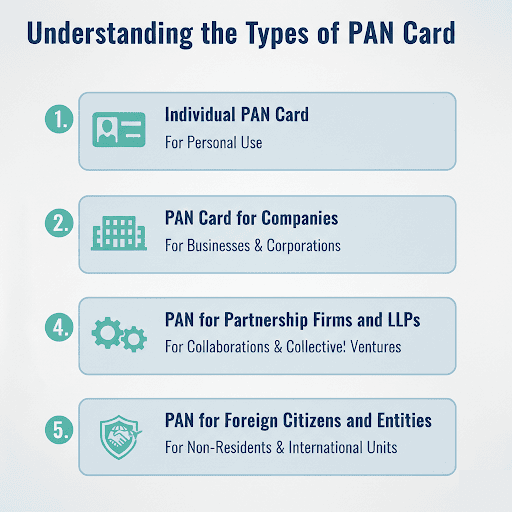
Individual PAN Card
This category applies to salaried employees, self-employed professionals, and taxpayers. It enables filing income tax returns, opening bank accounts, and making high-value transactions.
PAN Card for Companies
Registered companies must obtain a PAN for taxation, compliance, and financial reporting. This card is essential for opening business accounts and filing corporate tax returns.
PAN for Partnership Firms and LLPs
Firms and limited liability partnerships require a PAN to manage tax obligations and financial operations. The card links all business transactions to the entity.
PAN for Trusts and Associations
Trusts, societies, and non-profit organizations require PAN for financial transparency and statutory reporting.
PAN for Foreign Citizens and Entities
Foreign nationals and companies doing financial transactions in India must obtain a PAN. This ensures tax compliance and regulatory clarity.
UTI vs NSDL: Key Differences Between Two PAN Service Providers
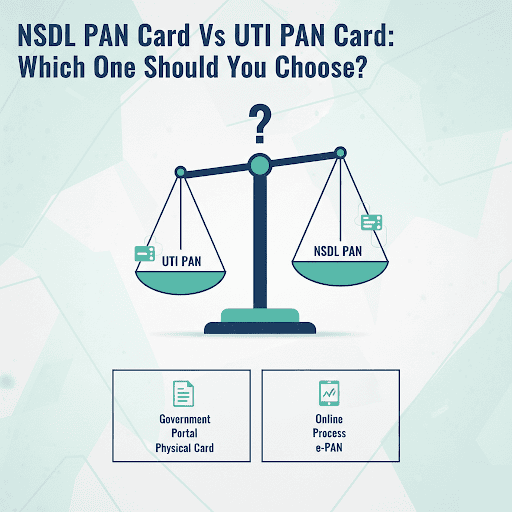
Applicants often come across two authorised PAN service providers and wonder how they differ. Understanding the difference between UTI and NSDL helps people choose the option that feels more convenient.
UTI PAN services are widely accessible through physical centres and a straightforward online portal. Many applicants find this helpful when they prefer personal assistance or need guidance while submitting documents.
On the other hand, National Securities Depository Limited (NSDL) suits those who prefer completing the process online. Both options issue the same PAN, so the choice depends on how you want to apply.
Although both organisations offer similar services, there are still a few differences in features, which include:
- Differences in portal design
- Service centre availability
- Application tracking
Some applicants prefer one platform over the other based on ease of use or easy access.
Service charges remain largely similar, and the PAN issued has the same legal validity regardless of the provider. In most cases, the choice depends on convenience, proximity of service centres, or familiarity with the online system.
UTI PAN Services and Application Process
The steps to apply for a PAN card through UTI are very simple, and everyone can do it without any hassle. Here are the steps to follow:
Step 1: First of all, fill out the application form
Step 2: Submit required documents
Step 3: Pay the application fee
Step 4: Wait for your document verification
Step 5: PAN generation and dispatch
Structure and Details on UTI PAN Cards
A PAN card contains structured information designed for identification and verification. The card displays the holder’s name, father’s name, date of birth, and alphanumeric PAN.
The 10 character PAN follows a standardized format that links the holder to financial records. A photograph and signature further strengthen identity verification.
Security features and printed details ensure authenticity and help prevent misuse. This standardized structure allows institutions to verify identity quickly and accurately.
Document Submission and PAN Centers for UTIITSL
It is essential to submit the correct documents for successful processing. You must ensure that all proofs remain valid and clearly readable.
Accepted documents include:
- Aadhaar card
- Passport
- Voter ID
- Driving licence
- Birth certificate
- Utility bills for address proof
UTIITSL centres operate across India and assist applicants with form submission and verification. These centres help individuals who prefer personal guidance or lack digital access.
Making Your PAN Journey Simple and Stress Free
Once you get your PAN card, many financial tasks become easier. You can file taxes, open bank accounts, and do many other things. Give your correct details and keep your documents handy to avoid last-minute confusion.
When you are ready to move ahead with other financial plans, having everything in order can save valuable time. You can use the Hero FinCorp personal loan app to check eligibility criteria and apply here with clarity and confidence.
Frequently Asked Questions
How can I apply for a PAN card via UTIITSL?
You can apply online through the UTIITSL portal or visit an authorised centre.
What is the difference between UTI and NSDL PAN service providers?
Both are authorised intermediaries processing PAN applications. The issued PAN has equal validity, while differences relate to portal design, service centres, and user experience.
Can foreigners apply for a PAN card through UTI?
Foreign individuals and entities conducting financial transactions in India can apply using Form 49AA with valid identity and address proof.
What documents are required for the UTI PAN card application?
You have to submit an Aadhaar card, a passport, or a birth certificate for the UTI PAN card application.
How long does UTI PAN card processing usually take?
After successful verification of your application, the UTI PAN card processing takes approximately 10 to 15 working days.
How to correct PAN card details using UTI services?
You need to raise a correction request online and submit the documents to update your name, date of birth, or other details.
Disclaimer: The information provided in this blog post is intended for informational purposes only. The content is based on research and opinions available at the time of writing. While we strive to ensure accuracy, we do not claim to be exhaustive or definitive. Readers are advised to independently verify any details mentioned here, such as specifications, features, and availability, before making any decisions. Hero FinCorp does not take responsibility for any discrepancies, inaccuracies, or changes that may occur after the publication of this blog. The choice to rely on the information presented herein is at the reader's discretion, and we recommend consulting official sources and experts for the most up-to-date and accurate information about the featured products.
