What is PIN? Full Form, How It Works, and Its Importance
Since everything always went without a hitch, Rohan never gave his PIN any thought. He made payments at retailers, took out cash, and used lending apps without thinking twice.
With time, those behaviours become instinctive. A debit alert for a purchase he never completed then appeared one day. In a matter of seconds, confusion gave way to fear. He spent the next few hours calling customer care and blocking accounts. That stressful evening taught him a simple lesson. A PIN does more than approve payments. It quietly protects your money every single day.
If you use cards, apps, or digital loans, you already depend on a PIN. Understanding it properly helps you stay in control rather than react after a problem starts.
Knowing the Fundamentals of PIN
During a financial transaction, a PIN is a secret number that is used to confirm your identity. It is used by banks to confirm that the individual attempting to access funds is the legitimate owner. "Yes, this is me," you tell the system each time you input a PIN.
The Full Form of PIN and Its Core Purpose
The full form of PIN is Personal Identification Number. The purpose stays simple and clear. It proves who you are before money moves out of your account. This small step prevents misuse and keeps your finances protected without making things complicated.
PIN vs. Password: Key Differences
A PIN is simple to remember because it only contains numbers and is brief. Passwords often contain letters and symbols and are used to secure emails or websites. Financial systems prefer PINs because transactions need speed, accuracy, and security at the same time.
How Does a PIN Work in Financial Transactions?
When you enter your PIN, the system matches it with secure records stored by the bank. A correct match allows the transaction to move ahead. Wrong attempts stop the process and raise alerts. This method protects your account without sharing sensitive details.
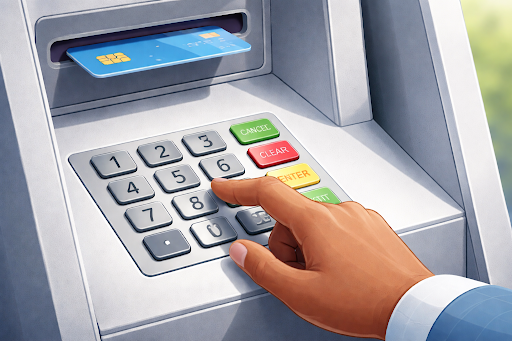
PINs for ATM and Debit Card Transactions
ATMs and debit card payments always ask for a PIN before releasing cash or approving payment. This step ensures that only you can use your card. Even if someone steals it, your money stays safe as long as your PIN stays private.
PINs for Credit Card and POS Transactions
Many credit card and store payments also require a PIN. This extra check confirms card ownership and reduces fraud. PIN-based payments offer stronger protection than signatures, especially during everyday purchases.
Importance of PIN for Enhanced Financial Security
PINs quietly support your financial safety in daily life.
- They block unauthorised access to your money
- They reduce fraud during card and app usage
- They create a clear trail for transaction tracking
- They help banks resolve issues faster
Protecting Your HeroFincorp Accounts with a Strong PIN
Hero FinCorp focuses on making digital finance simple and secure for borrowers. When you use a personal loan app, a strong PIN protects your personal and loan related information. It helps keep your data safe when you check eligibility, track repayments, or manage your loan online.
Characteristics of a Secure and Effective PIN
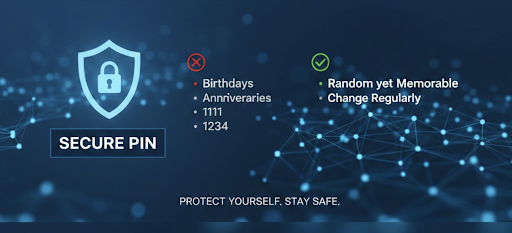
A good PIN protects you without adding stress.
- Avoid birthdays, anniversaries, or simple patterns
- Do not repeat digits or follow sequences
- Choose numbers that feel random but memorable
- Change the PIN once in a while for safety
Beyond Finance: Other Common PIN Full Forms in India
People also use the term PIN outside banking. The meaning changes with context, though the idea of identification stays common. Knowing the difference helps avoid confusion.
Postal Index Number (PIN Code)
In postal services, PIN means Postal Index Number. This 6-digit code helps identify delivery areas. Each digit guides sorting and ensures letters reach the right destination.
PIN from a Scientific and Technical Perspective
In technology, PIN refers to a semiconductor structure used in electronics. Engineers use it in communication systems. While unrelated to money, it still represents control and precision.
Best Practices for PIN Management and Safety
Simple habits prevent unnecessary stress.
- Never share your PIN with anyone
- Avoid writing or saving it digitally
- Cover the keypad while entering it
- Act quickly if something feels unusual
Protecting Your Money Starts with Your PIN
Your PIN might seem like a small number, but it plays a big role in protecting your money every day.
Choosing it carefully and using it responsibly helps you avoid stress later. When you borrow from Hero FinCorp, whether through an instant personal loan app or any loan product, strong PIN habits help keep your financial information secure and give you peace of mind as you manage repayments and transactions.
Frequently Asked Questions
How many digits does a financial PIN usually have?
Financial PINs are usually of 4 or 6 digits, depending on your system.
How frequently should I change my PIN, and is it possible to do so?
Indeed. For further security, you should change your PIN once every few months.
What should I do if I forget my PIN?
You can call the bank or lender immediately and reset your password after proper identity verification.
Is it safe to use the same PIN for multiple accounts?
No. You should use a different PIN for different accounts to reduce risk. If one account faces any security concerns, your other accounts will be safe.
In what ways does a PIN shield me from fraud?
Prior to transactions, a PIN verifies identification and prevents unwanted access.
Does HeroFincorp require a PIN for all its services?
Security methods vary, but digital services use strong authentication to protect customers.
Disclaimer: The information provided in this blog post is intended for informational purposes only. The content is based on research and opinions available at the time of writing. While we strive to ensure accuracy, we do not claim to be exhaustive or definitive. Readers are advised to independently verify any details mentioned here, such as specifications, features, and availability, before making any decisions. Hero FinCorp does not take responsibility for any discrepancies, inaccuracies, or changes that may occur after the publication of this blog. The choice to rely on the information presented herein is at the reader's discretion, and we recommend consulting official sources and experts for the most up-to-date and accurate information about the featured products.
