Residual Value: Meaning, Benefits, How to Calculate and Examples

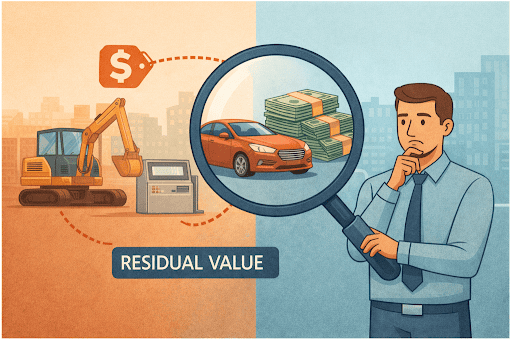
When you purchase a car or invest in equipment, the upfront cost is only one part of the calculation. An equally important factor is what that asset may be worth after a few years of use. That estimate is known as residual value.
Residual value meaning refers to the amount an asset may retain at the end of its life or lease. This figure guides how instalments are calculated and shapes the overall borrowing cost. Understanding it beforehand leads to more confident choices.
What is Residual Value?
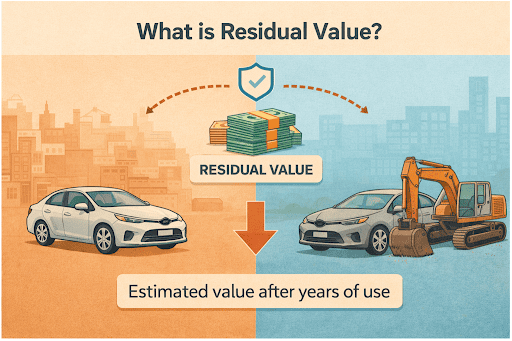
The residual value meaning refers to the estimated value of an asset at the end of its useful life or loan or lease term. It reflects how much the asset is expected to be worth after years of use.
Assets such as cars, machinery and equipment lose value gradually due to usage, age and changing market demand. This fall in value is called depreciation. The amount that remains after this decline is the residual value.
For example, the residual value of a vehicle is the price it is expected to fetch at the end of a loan or lease term. This figure is used to calculate depreciation, determine instalments and evaluate the overall financing cost.
Importance and Benefits of Residual Value
For borrowers, residual value affects the structure of repayments. If an asset is expected to retain more value, the depreciation financed during the term is lower. This can reduce lease instalments or structured loan payments. It also gives a realistic estimate of the asset’s resale value at the end of the term.
For lenders, residual value supports risk assessment. Lenders factor it in when setting rates, loan tenure and funding caps. In business planning, it helps guide budgeting and replacement decisions. Understanding its financial benefits helps when comparing different financing options.
How to Calculate Residual Value
Begin by assessing the likely resale price of the asset at the end of its usage period.
The standard residual value formula is:
Residual Value = Estimated Resale Value − Disposal Costs
The steps are straightforward:
- Estimate the expected future selling price
- Identify any costs involved in selling or disposing of the asset
- Subtract those costs from the resale value
For example, if a machine is expected to sell for ₹1,00,000 after several years and selling expenses are ₹10,000, the residual value would be ₹90,000.
This amount is then used to determine depreciation and structure lease or loan repayments.
Examples of Residual Value Calculation
Consider this residual value example.
A company buys equipment for ₹10,00,000. After 10 years, it expects to sell it for ₹1,00,000. That ₹1,00,000 is the asset residual value. The remaining ₹9,00,000 represents the depreciated portion over the asset’s life.
Now take a car leasing example. A car costs ₹20,00,000 and is projected to retain 50% of its value after three years. This means the estimated value at lease end is ₹10,00,000. Lease instalments are calculated on the ₹10,00,000 difference between the purchase price and residual value.
These residual value calculation examples show how the estimate directly affects repayment amounts and financing costs.
Residual Value of a Vehicle
The residual value of a vehicle plays a key role in car loans and leasing.
When a vehicle is leased, the lender estimates its value at the end of the lease term. This car lease residual is usually shown as a percentage of the original price. For example, if a ₹15,00,000 car has a 60% residual value, its projected value after the lease period is ₹9,00,000.
The vehicle residual value calculation determines how much depreciation is paid during the lease. A higher residual value generally results in lower monthly installments.
If you choose to purchase the vehicle after the lease ends, the price is usually linked to its residual value.
How Lenders Use Residual Value to Determine Used Car Loans?
Lenders consider residual value when evaluating used car loan applications.
Since the vehicle serves as collateral, lenders assess how much it is likely to be worth at the end of the loan tenure. Vehicles with steady resale demand and gradual depreciation are seen as safer assets. Lenders may offer more favourable rates or easier repayment structures in such cases. Faster-depreciating vehicles often face tighter financing conditions.
By reviewing depreciation patterns, resale history and brand reputation, lenders use residual value estimates to structure loan terms responsibly.
If you’re planning to finance a used car or manage other large expenses, you can apply for a personal loan through the Hero FinCorp personal loan app for Android and iOS.
Residual Value in Loans and Leasing
Residual value in finance applies to assets beyond vehicles. In equipment leasing, residual value determines the portion of the asset’s cost financed during the lease term. A higher residual value reduces the depreciation component paid during the period.
For businesses, residual value leasing supports capital planning and asset lifecycle decisions. For individuals, it helps structure repayments around the asset’s anticipated resale price. If you are looking to fund a vehicle or another major cost, being aware of residual value can guide you towards a repayment plan within your means. Hero FinCorp offers flexible personal loan options to support such needs.
You can explore personal loan options or use the eligibility calculator to see your options before moving ahead.
Frequently Asked Questions
What is residual value in finance?
Residual value represents the anticipated value of an asset after it has been used for a defined period.
How is residual value calculated for vehicles?
It is generally worked out as a percentage of the vehicle’s original price, using past depreciation patterns, brand value and expected market demand.
Does residual value reduce loan EMI?
In some lease or structured loan formats, EMIs can be lower when the projected end value is higher, since the repayment covers a smaller drop in the vehicle’s value.
What is the difference between residual value and depreciation?
Depreciation tracks the decrease in value. Residual value represents the expected remaining value after that decrease.
Why is residual value important in leasing?
It helps determine how lease payments are calculated and sets the price if you choose to buy the asset at the end.
Disclaimer: The information provided in this blog post is intended for informational purposes only. The content is based on research and opinions available at the time of writing. While we strive to ensure accuracy, we do not claim to be exhaustive or definitive. Readers are advised to independently verify any details mentioned here, such as specifications, features, and availability, before making any decisions. Hero FinCorp does not take responsibility for any discrepancies, inaccuracies, or changes that may occur after the publication of this blog. The choice to rely on the information presented herein is at the reader's discretion, and we recommend consulting official sources and experts for the most up-to-date and accurate information about the featured products.
