Fake UPI Payment: How to Identify Fake UPI Payments?
UPI has made everyday payments simple, but scammers have followed that growth closely. Many people only realise a payment was fake after checking their balances later. The goal here is to help you stay ahead and avoid those stressful situations through simple checks.
If you accept payments at work, sell online, or manage home-business orders, the risks feel familiar. Fake UPI incidents can interrupt cash flow and lead to disputes with honest customers, too. Learning how to identify fake UPI payments early is now basic digital safety. Let's get started!
What Is Fake Payment UPI?
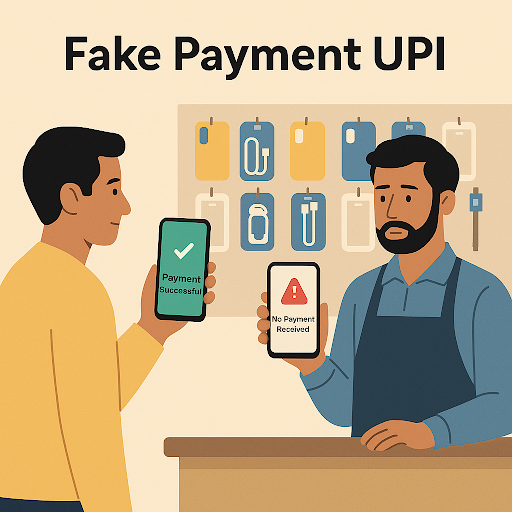
A fake payment UPI incident happens when someone claims they have paid you, but no money reaches your account. They may show a fake UPI app screen, edited SMS, or a doctored email. Some even send screenshots copied from old, genuine transactions.
For example, Anisha sold a phone cover to a customer who showed a successful UPI screenshot. The screen looked genuine, so she handed over the product. Later, she checked her UPI app and found no new payment entry. The screenshot was edited, and the payment never happened.
These fake UPI payment attempts often target small shop owners, cab drivers, home businesses, and individuals selling through marketplace apps. Scammers push you to hand over goods or refund failed payments. You trust the fake confirmation and lose real money.
As UPI usage grows in India’s digital payments landscape, fraud attempts grow too. More people accept payments without checking the actual bank balance. That creates a perfect setup for quick, convincing scams using fake payment UPI tricks.
Common Fake UPI Payment Scams in India
Digital payment fraud has become more advanced across India. These fake UPI payment scams repeat similar patterns that appear believable during rushed situations. Understanding how each one works helps you avoid confusion in real-life transactions. Below are the most common fake payment UPI techniques used today.
Fake Payment Screenshot Scams
Scammers show screenshots that look genuine but are edited. The reference number may be random, timestamps may not match, and no credit appears in your bank balance. Many victims trust the image and hand over goods instantly.
Money Muling
Scammers use other people’s accounts to move stolen funds. They promise small commissions for “helping with transfers.” These money mules unknowingly support criminal networks and may later face account freezes or police enquiries.
Emergency Scams
Someone claims an emergency need, such as hospital bills or urgent travel. They say they have sent money and request goods, services, or extra help immediately. The emotional pressure stops you from checking the actual UPI credit.
SIM Swap Fraud
Scammers clone your SIM using fake KYC requests. Once activated, they receive OTPs, reset app access, and control their UPI accounts. You may see debits without sharing any OTP directly with a fraudster.
Fake Rewards and Offers Scams
You get links promising cashback, rewards, or “UPI gift offers.” These pages ask you to “verify” UPI details or send tiny test payments. The link may capture your PIN or push you to authorise fraudulent pull requests.
How to Identify Fake UPI Payments?
Identifying fake payment UPI attempts becomes easier when you verify carefully. Keep the steps below in mind during every transaction to look for fake payment UPI signs.
Verify the Transaction in Your Bank or UPI App
Never rely on screenshots alone. Open your official bank or UPI app and check the latest credited transactions. If the amount does not appear, treat every claim as fake until confirmed.
Also Read: What Is the RRN Number in UPI Transactions?
Check the Transaction ID Carefully
Real UPI transactions carry unique reference numbers. Compare the ID in your app against any shared screenshot. If the pattern looks off or the number does not exist, the payment is likely a fake UPI payment attempt.
Also Read: How to Check UPI Transaction Status?
Compare Timestamps and Amounts
Look at the exact date, time, and amount in your app. Scammers often rush you, hoping you skip this quick check. Any mismatch between their confirmation and your statement is a clear red flag.
Inspect the Sender’s UPI ID and Name
Fake IDs include odd spellings or unfamiliar formats. Confirm the complete ID, especially the text after the “@” symbol.
Avoid Unsolicited Links and Random QR Codes
Never click payment links received on SMS, social media, or unknown emails. Use only QR codes you generate inside your bank or UPI app. If someone insists on scanning a code they share, pause and double-check their identity.
Look Closely at Screenshots and Messages
Fake payment UPI confirmations often carry spelling errors, odd fonts, or inconsistent logos. Compare them with genuine messages from your bank or UPI app. When in doubt, treat the payment as not received.
Tips to Protect Yourself From Fake UPI Payment Scams
A few habits can greatly protect against fake UPI payment fraud. Think of these as everyday fake payment UPI prevention checks for your digital life.
Always Verify Payments Directly in Your Bank or UPI App
Do not trust images, forwarded messages, or verbal claims. Refresh your statement and confirm the credit before handing over goods, cash, or services to anyone.
Use Secure and Trusted UPI Platforms Only
Stick to official bank apps or RBI-recognised UPI apps. Avoid installing unknown “payment helper” apps that promise shortcuts or extra cashback.
Strengthen Device and Account Security
Enable screen lock, app lock, and two-factor authentication where available. Never share OTPs, UPI PINs, or device passwords. Keep your phone’s operating system and banking apps updated for better security.
Limit the Exposure of Your UPI Details
Avoid posting your UPI ID on open social media or public forums. Use bank-generated QR codes and keep them in controlled spaces, such as your shop counter or personal website.
Use a Dedicated UPI Account With Limited Funds
Maintain a separate account for UPI collections with a controlled balance. Regularly transfer excess funds to another account. This simple habit can limit losses if any fake payment UPI scam succeeds.
Report Suspicious Activity Quickly
If you see unknown debit attempts or strange notifications, contact your bank immediately. Lodge a complaint with your UPI app and the national cybercrime portal to record the incident officially.
Also Read: How to Complaint UPI Transaction – Step-by-Step Guide
What to Do If You Are a Victim of a Fake UPI Payment Scam?
If you need fake payment UPI scam help, take the following steps in quick order. This approach improves the chance of smooth fake UPI payment resolution.
Step 1: Contact your bank immediately and report the scam, reset your UPI PIN, and request temporary blocks if needed.
Step 2: Raise a support ticket inside your UPI app, share chat logs, images, and transaction details for accurate case review.
Step 3: File a cybercrime report on the National Cyber Crime portal and note the reference numbers, which you might require later.
Step 4: Strengthen security for future use. Update passwords, enable two-factor authentication, and avoid sharing sensitive information publicly.
Stay One Step Ahead of UPI Fraud
UPI is designed to be fast, but your checks should still be deliberate. A few seconds spent verifying every payment can save you from losing hard-earned money or disrupting your small business's cash flow.
If a fraud incident has strained your savings or affected working capital, consider a responsible credit option instead of unsafe shortcuts. Hero FinCorp’s fully digital, paperless personal loan journey lets you explore offers on a Quick Loan App or Instant Loan App and manage repayments in a structured way.
Staying alert protects your money. And when unexpected gaps still arise, a personal loan from Hero FinCorp gives you a reliable financial backup. Apply online in minutes with clear terms and fast disbursal.
Frequently Asked Questions
How can I verify if a UPI transaction ID is fake or genuine?
Always cross-check the ID inside your bank or UPI app, not on screenshots. If the transaction does not appear there, treat the claim as incomplete or fake.
Can fake UPI payment screenshots fool banks or apps?
Banks rely on actual transaction records, not screenshots. Only the app balance and bank statement should be trusted as final confirmation.
How do scammers create fake UPI IDs?
They copy existing handles and add extra characters. Some also use misleading names that look official to gain trust.
Is it safe to share my UPI ID freely online?
Sharing widely increases spam requests and scam attempts. Share your UPI details only with trusted contacts.
What are the common UPI scams right now?
Screenshot frauds, phishing links, and remote access incidents are increasing across many regions.
How quickly should I report a fake payment incident to my bank?
Report immediately because early complaints help the investigation and prevent additional losses.
Disclaimer: The information provided in this blog post is intended for informational purposes only. The content is based on research and opinions available at the time of writing. While we strive to ensure accuracy, we do not claim to be exhaustive or definitive. Readers are advised to independently verify any details mentioned here, such as specifications, features, and availability, before making any decisions. Hero FinCorp does not take responsibility for any discrepancies, inaccuracies, or changes that may occur after the publication of this blog. The choice to rely on the information presented herein is at the reader's discretion, and we recommend consulting official sources and experts for the most up-to-date and accurate information about the featured products.