How to Avoid ACH Debit Return Charges?
- What Are ACH Debit Return Charges?
- Common Causes of ACH Debit Return Charges in India
- How ACH Return Codes Explain Failed Transactions
- Practical Tips to Avoid ACH Debit Return Charges
- Steps to Take If Your ACH Debit Is Returned
- Stay Ahead of Auto-Debit Failures with Hero FinCorp
- Frequently Asked Questions
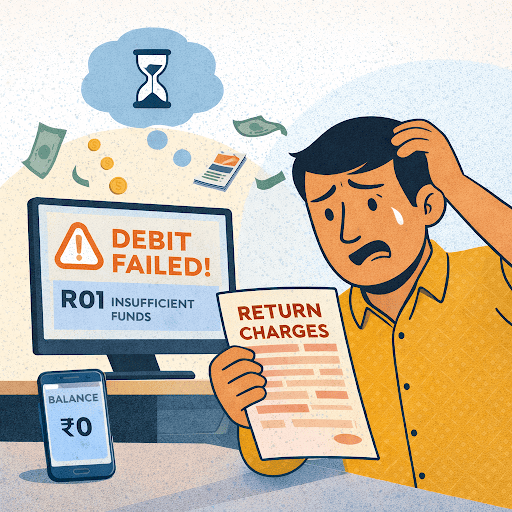
You set up an auto-debit for a loan EMI or utility bill. Everything seems fine. Then comes an unexpected message: payment failed, charges applied. These are ACH debit return charges, and they often catch people off guard.
A small balance mismatch or mandate issue can quietly trigger them. The good news is that most of these charges are avoidable. In this guide, we explain what ACH debit return charges mean, why they occur in India, and how you can prevent them with simple, practical steps.
What Are ACH Debit Return Charges?
Imagine you have authorised your bank to auto-debit ₹5,000 every month for an EMI. On the due date, your account balance falls short. The debit attempt fails. When this happens, banks levy ACH debit return charges.
In India, ACH operates through the NACH (National Automated Clearing House) system managed by NPCI. Banks and financial institutions charge a return fee when an NACH debit fails or returns unpaid. The penalty covers processing and settlement costs.
In simple terms, ACH debit return charges mean penalties imposed when an authorised auto-debit cannot be completed due to specific failures.
Common Causes of ACH Debit Return Charges in India
NACH-based auto-debits follow strict rules and timelines. When those conditions are not met, return charges apply.
- Insufficient balance in the account on the debit date, including a lack of buffer for charges
- Incorrect bank account details, such as account number or IFSC errors
- Expired, revoked, or improperly authorised NACH mandates
- Closed or dormant bank accounts linked to active mandates
- Stop-payment instructions issued by the account holder
- Regulatory or timing restrictions imposed by NPCI settlement windows
- Technical failures or system downtime at the bank or sponsor institution
How ACH Return Codes Explain Failed Transactions
When a debit fails, the bank assigns a return code that explains the reason. These codes also determine whether ACH debit return charges apply.
| Return Code | Meaning | Common Cause | Impact | Relation to Charges |
|---|---|---|---|---|
| R01 | Insufficient Funds | Low account balance | Debit rejected | Charges usually apply |
| R02 | Account Closed | Account no longer active | Mandate invalid | Charges apply |
| R03 | No Account / Invalid | Incorrect account details | Debit cannot process | Charges apply |
| R07 | Authorisation Revoked | Mandate cancelled | Debit blocked | Charges may apply |
| R10 | Customer Advises Not Authorised | Disputed debit | Investigation triggered | Charges depend on outcome |
| R12 | Branch Sold / Account Changed | Account migration issues | Debit fails | Charges may apply |
Are you looking for a loan to manage your expenses while staying in control of your debt? With our instant loan app, you can manage your finances more efficiently and confidently!
Practical Tips to Avoid ACH Debit Return Charges
Avoiding ACH debit return charges requires consistent account and mandate management. A few habits make a big difference.
- Maintain sufficient balance with a buffer before scheduled debit dates
- Set reminders or alerts a few days before auto-debits are due
- Verify bank account details carefully before authorising mandates
- Align EMI and bill dates to avoid multiple debits hitting together
- Update mandates immediately after changing accounts or banks
- Review active auto-debits periodically to catch outdated instructions
- Use reliable digital platforms for mandate management and tracking
Also Read: Missed a Digital EMI Payment? What to Do Next
Steps to Take If Your ACH Debit Is Returned
Quick actions include:
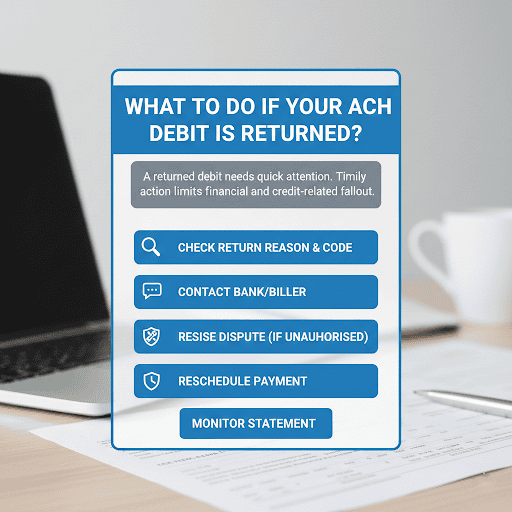
- Check the bank notification and identify the return reason and code
- Contact your bank or the biller to confirm the failure details
- Resolve balance shortages or mandate issues immediately
- Raise a dispute if the debit was unauthorised or incorrect
- Reschedule the payment promptly to avoid further penalties
- Monitor your statement to ensure charges are accurate and not duplicated
Stay Ahead of Auto-Debit Failures with Hero FinCorp
ACH debit return charges are rarely random. They are signals that something needs attention. With the right checks, most returns can be prevented before they happen.
At Hero FinCorp, we encourage disciplined repayment through transparent AutoPay setups and timely alerts. Using reliable digital tools helps you stay on top of commitments and avoid unnecessary charges.
Explore our easy-to-use digital repayment tools and AutoPay options to manage your EMIs smoothly and stay informed about upcoming debits!
Frequently Asked Questions
What is the typical range of ACH debit return charges in India?
Charges usually range from ₹50 to ₹500 per failed debit. The amount may increase progressively per failed transaction. It depends on the bank or institution.
Can repeated ACH returns affect my credit score or loan approvals?
Yes. Frequent failed EMIs can impact repayment history and future credit assessments.
How do I dispute an ACH debit return charge?
You can raise a dispute with your bank if the return was due to a technical or mandate error.
Are ACH debit return charges refundable or negotiable?
Some banks may reverse charges in genuine cases, but it depends on internal policies.
Disclaimer: The information provided in this blog post is intended for informational purposes only. The content is based on research and opinions available at the time of writing. While we strive to ensure accuracy, we do not claim to be exhaustive or definitive. Readers are advised to independently verify any details mentioned here, such as specifications, features, and availability, before making any decisions. Hero FinCorp does not take responsibility for any discrepancies, inaccuracies, or changes that may occur after the publication of this blog. The choice to rely on the information presented herein is at the reader's discretion, and we recommend consulting official sources and experts for the most up-to-date and accurate information about the featured products.