How to Take a Loan from a Mobile App: Step-by-Step Guide

- What Is a Mobile Loan App?
- How Do Mobile Loan Apps Work?
- Eligibility Criteria for Taking a Loan Through a Mobile App
- Documents Required to Apply for a Loan via Mobile App
- How to Take a Loan from a Mobile App?
- Benefits of Taking a Loan Through a Mobile App
- Things to Check Before Applying Through a Loan App
- Common Reasons for Loan Rejection on Mobile Apps
- Frequently Asked Questions
Do you need money in a hurry? You don’t have to queue at a branch or chase a relationship manager anymore.
Taking a loan from a mobile app in 2026 is only a few taps away. You can do it through a mobile loan app. From application to verification and getting funds, it can all be done from your phone.
All of it in one sitting without a paperwork stack or waiting rooms.
This guide breaks down how to apply for a loan online through an instant loan app, step by step. What these apps are, who qualifies, what you’ll need, and the checks that keep you safe.
What Is a Mobile Loan App?
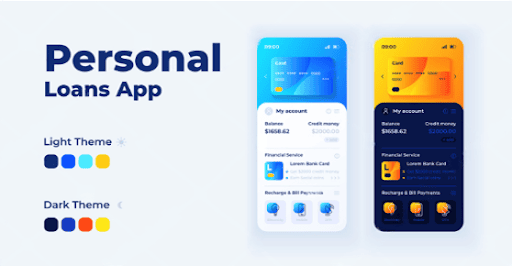
It’s a smartphone app that lets you borrow money straight from a bank or NBFC, without ever stepping into a branch. You apply, share documents, and sign, all inside the app.
Most run as an instant loan app, where approval and disbursal happen in minutes. Behind the screen, your details are checked digitally, and the money is sent to your bank account.
Think of it as a full loan branch that fits in your pocket. Even better, the lenders are still regulated. At the same time, you get the bonus of speed and convenience.
How Do Mobile Loan Apps Work?
Curious how mobile loan apps work under the hood? The flow is mostly automated, and it splits into three stages.
Online Registration
It all starts with signing up for an account on the app. Generally, you are asked to verify with your phone number and a one-time password.
Then you add a few basics, like your PAN, date of birth, and monthly income. This tells the app whether you’re in the right ballpark to borrow.
Digital Verification
Next, the app verifies you digitally. It runs an Aadhaar and PAN-based eKYC, checks your bank statements through an account aggregator, and pulls your credit score from a bureau like CIBIL. Some lenders also read your wider digital footprint to judge risk.
Loan Approval and Disbursal
If it all checks out, you get an offer with the amount, rate, and tenure, plus a Key Fact Statement that the RBI requires lenders to share. You sign digitally, set up an auto-debit mandate, and the funds land directly in your bank account.
Eligibility Criteria for Taking a Loan Through a Mobile App
Before you apply, it helps to know the mobile loan eligibility basics. They’re lighter than a bank’s, but they still exist.
Age Requirements
Most apps cater to people aged 21 to 60. A few even start at 18, provided you earn a steady income.
Income Requirements
You will usually need a monthly income of at least ₹15,000 to ₹25,000. The limit goes up to ₹25,000+ for borrowers in metros. But some fintech apps can go as low as ₹10,000 to ₹13,500.
Credit Score Considerations
A CIBIL score of 700 or above puts you in a comfortable spot. NBFCs and fintech lenders may approve from 650, sometimes lower, using alternative data for those new to credit.
Employment Status
Both salaried and self-employed people qualify. Salaried applicants usually need about a year of work, with six months at the current job. Self-employed borrowers show business vintage and ITRs instead.
Documents Required to Apply for a Loan via Mobile App
The documents for a mobile loan app are refreshingly few. Most are digital, and you upload them in minutes.
Aadhaar Card
Your Aadhaar handles eKYC and address verification. It’s the backbone of the whole digital check.
PAN Card
Your PAN is mandatory for any loan. It links you to your credit history and tax records.
Income Proof
Are you salaried? Keep your last three months’ salary slips and six months’ bank statements handy. Self-employed? Your ITR for the past year or two does the job.
Bank Account Details
You’ll share the account where the loan lands and EMIs get debited. Some lenders also ask for a cancelled cheque to confirm it, so it helps to know how to write a cancelled cheque first.
How to Take a Loan from a Mobile App?
Ready to apply for a loan through an app? Here’s the full journey, step by step. Most people finish it in under fifteen minutes.
Step 1: Download the Loan App
Download the loan app from the Google Play Store or Apple App Store. Official stores eradicate the chance of fake apps that copy real brand names. You can grab the Hero Digital Lending App on Android or iOS to begin.
Step 2: Register Your Account
Open the mobile loan app and create an account. Sign up with your phone number. Verify it with the OTP, then add your name, PAN, and date of birth.
Step 3: Complete KYC Verification
Finish your KYC using Aadhaar and PAN. This is usually a quick eKYC, sometimes with a live selfie for a face match. Make sure the name on your documents matches exactly.
Step 4: Enter Loan Details
Tell the app how much you want and for how long. You will get an estimated EMI and interest before moving on. Adjusting the tenure changes the EMI, so play with it until the monthly figure feels comfortable.
Step 5: Upload Required Documents
Upload your income proof and bank details if asked. These include salary slips, bank statements, and/or ITR.
Step 6: Submit the Application
Review everything once, then submit. The app runs its checks and shows you an offer with a Key Fact Statement laying out the full cost. If something’s off, it usually flags it on the spot so you can fix it.
Step 7: Receive Loan Approval and Disbursal
Accept the offer, sign the agreement, and set up the auto-debit. Once approved, the money is credited straight to your bank account, often within a day. You can also check your eligibility with Hero FinCorp before you begin.
Benefits of Taking a Loan Through a Mobile App
The advantages of mobile loan apps are why so many borrowers have switched.
Quick Approval Process
Decisions that once took days now take minutes. The app reads your data and responds almost in real time. Some lenders clear a clean application in under ten minutes.
Paperless Application
There’s barely any paperwork. eKYC and digital uploads replace the photocopies and physical forms. No printing, no scanning, no courier.
Convenient Access
You can apply at midnight or on your commute. No branch hours, no appointments, just your phone.
Faster Disbursal
Once approved, funds often reach your account the same day, sometimes within minutes. Handy when an expense won’t wait. Still, it’s worth asking whether a personal loan is a good idea for your situation first.
Things to Check Before Applying Through a Loan App
Not every app is trustworthy, so a few loan app precautions go a long way. Safe loan apps tend to share some clear traits.
RBI-Regulated Lenders
Borrow only from a bank or NBFC regulated by the RBI. Since July 2025, the RBI runs a public directory of authorised digital lending apps, so you can check an app’s link to a regulated lender before you download it.
Interest Rates and Charges
Always read the “Key Fact Statement” thoroughly. It lists the interest rate, the APR, processing fees, and the total cost, all in one place. No nasty surprises later.
Privacy and Data Security
A genuine app asks only for what it needs. If it demands access to your contacts, gallery, or photos, treat that as a red flag. Your data should stay protected and stored in India.
Customer Reviews and Ratings
Check the app store ratings and read a few recent reviews. Patterns of harassment or hidden charges tend to show up fast in the comments.
Common Reasons for Loan Rejection on Mobile Apps
Got turned down, or want to avoid it? These are the common loan rejection reasons on mobile apps.
Low Credit Score
A score below the lender’s cut-off is the usual culprit. Missed EMIs and maxed-out cards drag it down. Even a handful of recent loan enquiries can knock it.
Insufficient Income
If your income is low, or too much of it already goes to existing EMIs, the app may see repayment as a stretch. A high FOIR, where most of your salary is committed, is a common quiet reason.
Incorrect Information
Details that don’t match your KYC, like a misspelt name or the wrong PAN, can stall or sink an application.
Incomplete Documentation
Missing or blurry documents leave gaps the lender can’t verify. A rejection often follows.
Taking a loan from a mobile app is quick, paperless, and genuinely convenient. But the speed only works in your favour when you borrow carefully.
Stick to RBI-regulated apps, read the Key Fact Statement, and borrow only what you can comfortably repay.
Do that, and a loan is never more than a few taps away. When you’re ready, check your personal loan eligibility with Hero FinCorp in minutes, fully online.
Frequently Asked Questions
Can I Get a Loan Through a Mobile App Without Visiting a Branch?
Yes. That’s the whole point. From application to disbursal, everything happens inside the app. You verify your identity digitally and the funds reach your bank account, with no branch visit needed.
How Long Does Mobile Loan Approval Take?
Often minutes. A clean application with a good credit profile can be approved almost instantly, with money disbursed the same day. Missing documents or extra checks can stretch it to a day or two.
What Is the Minimum Salary Required for a Mobile App Loan?
It varies by lender. Many ask for ₹15,000 to ₹25,000 a month, and metros often want more. Some fintech apps accept incomes as low as ₹10,000, depending on your overall profile.
Can I Apply for a Loan Without a Credit Score?
Sometimes. A few apps lend to people new to credit by reading alternative data, like your bank transactions and digital footprint. Expect a smaller amount and a higher rate to begin.
Are Mobile Loan Apps Safe to Use?
They are, if the app is tied to an RBI-regulated bank or NBFC. Check the RBI’s directory, read the Key Fact Statement, and avoid apps that demand access to your contacts or photos.
What Documents Are Required for an Instant Loan App?
Usually your PAN and Aadhaar for KYC, plus income proof like salary slips, bank statements, or an ITR. A selfie is often needed for a face match, and bank details for disbursal.
Can Self-Employed Individuals Apply Through a Loan App?
Yes. Self-employed borrowers can apply by sharing their ITR and bank statements instead of salary slips. A steady business history and a healthy credit score improve your chances.
How Can I Track My Loan Application Status?
Right inside the app. Most show a live status, from verification to approval to disbursal, and send updates by SMS or email. You can also reach support through the app if needed.
Disclaimer: The information provided in this blog post is intended for informational purposes only. The content is based on research and opinions available at the time of writing. While we strive to ensure accuracy, we do not claim to be exhaustive or definitive. Readers are advised to independently verify any details mentioned here, such as specifications, features, and availability, before making any decisions. Hero FinCorp does not take responsibility for any discrepancies, inaccuracies, or changes that may occur after the publication of this blog. The choice to rely on the information presented herein is at the reader's discretion, and we recommend consulting official sources and experts for the most up-to-date and accurate information about the featured products.