50/30/20 Budget Rule: A Simple Formula for Better Money Management
You look at your bank balance in the middle of the month. You think about where your salary went. This happens to a lot of people. The 50/30/20 budget rule is a way to stop feeling bad about how you spend your salary.
The 50/30/20 budget rule gives you three categories to put your money into. You have the money to spend on things. You have the money you want to spend on things you like. You also have the money you save for later. You need not worry about your salary all the time. You can feel happy about the way you spend your salary and the way you save your money.
What Is the 50/30/20 Budget?
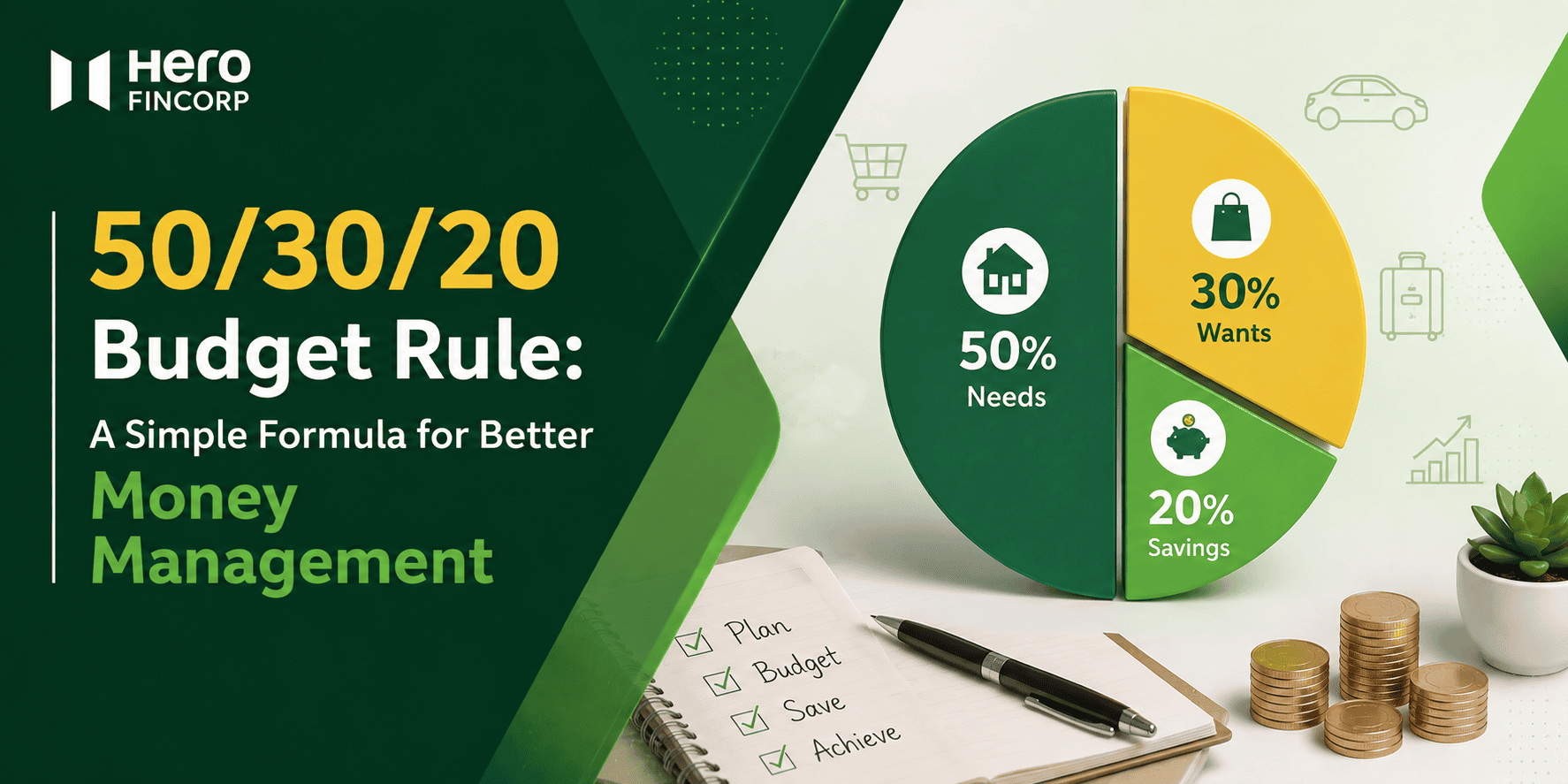
This rule is a way to make a budget. You take the money you get after taxes. Divide it into three parts. The 50 share goes to your needs. Next, the 30 share of your money is for the wants. 20 of your money is for saving and paying off debts, besides the minimum amount you have to pay. The 50/30/20 budget always stays the same. So you have a plan that works for you.
Understanding the 50/30/20 Breakdown
50% for Needs
Your needs are what you must pay for. These include:
- Rent or EMI
- Groceries
- Utilities
- School fees
- Insurance premiums
- Minimum debt payments
30% for Wants
Wants are things that make life more enjoyable. They include:
- Eating out
- OTT subscriptions
- Weekend trips
- A phone
20% for Savings and Investments
This part of your income helps you build a future. It includes:
- A fund for unknown circumstances
- PPF
- EPF
- Mutual fund SIPs
- Fixed deposits
- Extra debt payments
Why Savings Are Important in the 50/30/20 Rule
Building a Fund
You should be ready with a significant portion of the money being spent. This is the money that will help you when you get a medical bill or lose your job. It will stop you from getting into debt.
Achieving Long-Term Financial Goals
If you save 20 per cent of your money all the time, you will have enough for things like a payment on a house, retirement or your children's education. You will not have to take out a loan at the moment.
Reducing Financial Stress
When you have some money saved, you will feel better. You will sleep better at night. Having a fund for dire situations is a great safety net. It's like a cushion that helps you when things go wrong.
Benefits of the 50/30/20 Budget Rule
- The idea of the buckets helps you to be careful with your money. When you see that you are spending a lot in one area, you will think twice about it.
- You just need to keep track of three categories.
- The buckets help you to save and invest your money. When you do this regularly, even if it is not a lot, your money will grow over time.
- The buckets also help you to manage your debt. You have to make a plan for paying back your debts and stick to it. This way you will not forget to make a payment.
- You will think carefully about how you spend your money.
Also Read: What Is Debt Management? Meaning and Plan Explained
How to Adopt the 50/30/20 Rule
Calculate Your Monthly Take-Home Income
Use your in-hand salary, after tax, PF, and other deductions. If you freelance, take a conservative average of the last 6 months.
Track and Categorise Your Expenses
For one month, note down every expense. Apps or a simple notebook work. Tag each as need, want, or saving.
Allocate Spending Across the Three Categories
Check the percentages: if your needs are taking 65% of your money, you know where to make changes. Allocate funds to things you want. Save accordingly.
Adjust Your Budget as Needed
it's not necessary to save 20% away. Begin with 10%. Then increase it by 1% every quarter. It is more important to make progress than to be perfect.
Common Challenges When Following the 50/30/20 Rule
High Living Costs
In metros like Mumbai or Bengaluru, needs may legitimately cross 50%. Accept the reality but aim to inch down fixed expenses over time.
Existing Debt Obligations
If EMIs eat a large chunk, treat the minimum payment as a ‘need’ and any extra repayment as part of the 20% savings bucket until you’re debt-free.
Irregular Income
In high-earning months, pad the savings bucket to cover lean periods.
If a sudden financial shock like a medical emergency or urgent home repair, threatens your delicate budgeting balance, Hero FinCorp’s instant personal loan can bridge the gap without derailing your long-term plan. Check your eligibility in minutes and get funds swiftly, all managed through the Hero Digital Lending App.
Conclusion
The fifty-thirty-twenty budget rule is not about being super careful with every penny. It is about being aware of what you're spending. You should start with what you have, no matter how much money that is and use the percentages to help you make choices. As time goes on, the twenty percent will help you get the freedom you want. When things get tough and, Hero FinCorp is there to help you. They can give you a personal loan to help you keep going.
Frequently Asked Questions
How can I save money with a low income?
You can start small. Set aside ₹500 every month in a recurring deposit. The habit of saving is more important than the amount you save. You use the 50/30/20 framework. Just make sure the proportions are realistic for you.
What are the best ways to build an emergency fund?
Set up an auto-debit feature to a separate savings account right after you get paid. Start with a goal of saving ₹10,000. Then try to grow it to 3 months’ worth of expenses.
Can I use the 50/30/20 rule to save for long-term goals?
The 50/30/20 rule helps you prioritise saving and investing. It helps you achieve your long-term goals. You can use this rule to save for your goals.
Should I include taxes in the calculation of the 50/30/20 rule?
The rule applies to the money you actually take home after taxes. Use the amount that hits your bank account.
Is the 50/30/20 rule suitable for beginners?
The simplicity of the rule and the fact that it does not make you feel guilty about spending make it a great starting point for anyone to budget.
Can the 50/30/20 rule help me pay off debt faster?
By limiting your wants and using 20% of your income for savings and extra debt payments, you can pay off your debt faster.
What should I do if my expenses exceed 50% of my income?
Try to find one fixed cost that you can cut down. Even a small reduction of 2–3% can give you some breathing room.
Disclaimer: The information provided in this blog post is intended for informational purposes only. The content is based on research and opinions available at the time of writing. While we strive to ensure accuracy, we do not claim to be exhaustive or definitive. Readers are advised to independently verify any details mentioned here, such as specifications, features, and availability, before making any decisions. Hero FinCorp does not take responsibility for any discrepancies, inaccuracies, or changes that may occur after the publication of this blog. The choice to rely on the information presented herein is at the reader's discretion, and we recommend consulting official sources and experts for the most up-to-date and accurate information about the featured products.