Financial Planning for Salaried Employees: A Comprehensive Guide

The importance of systematic financial planning is immense for salaried workers who depend on a fixed monthly income. It is an easy, quick way for them to build financial stability and plan for long-term objectives such as home ownership, retirement, and wealth creation.
Financial planning, when done carefully, can secure your financial future and help you achieve your financial goals, such as building an emergency fund, managing debt, and creating a budget.
Let's understand more about financial planning tips and benefits for salaried employees here.
Key Personal Finance Tips for Salaried Employees

Proper money management for those with a fixed monthly salary is indispensable. These financial tips will guide you towards building a secure financial future without worries.
Set Up a Monthly Financial Plan
Prepare a monthly budget to gain complete control over your finances at any time. Aim to differentiate your necessities from your luxuries and cut down the latter to the minimum.
Also Read: What Is Personal Financial Management (PFM)? Definition, Full Form, Tools, and Apps
Create an Emergency Fund
Life is full of uncertain events like illness or unemployment, so you have to be prepared, and an emergency fund is the best way to do it.
Make Strategic Investments
Over time, thoughtful and consistent investment can help you grow your wealth. By harnessing the power of compounding and investing any unused funds, you'll be able to amass a large corpus for your future.
Invest in Enough Coverage
One of the best ways to shield your loved ones and yourself from unexpected events is through insurance. Getting health and life insurance policies can be quite helpful in dealing with tough situations
Oversee and Decrease Debt
As a salaried employee, it is crucial to prioritise debt management. Avoid taking debt or loans with high interest rates. Likewise, try to keep your credit card balances under control to maintain your financial well-being.
Begin Planning for Retirement Early
Start saving for your retirement early, as it will give you enough time to grow your money. Having built a good corpus for your retirement age is always a wise strategy for salaried people. This will enable you to live autonomously and enjoyably after your active work life is over.
Mistakes to Avoid When Planning Finances
Here are some of the common mistakes to avoid when planning for finances as a salaried individual
- Not defining your financial objectives for both the short- and long-term.
- Not planning for emergency finances. This is important as unexpected expenses can dramatically change your financial circumstances.
- Many people do not invest early enough in life. As you delay investing, you are missing out on compounding benefits.
- Having money tied up in a single investment is riskier than diversifying across several asset types.
Benefits of Financial Planning for Salaried Employees
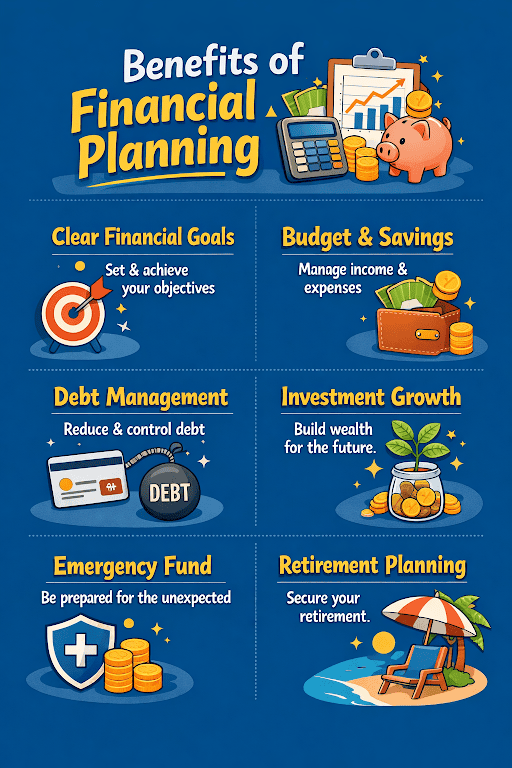
Financial planning from early on can lead to several advantages for salaried employees. Among these are-
- Seamless money management: A solid financial plan is an excellent way to organise your finances, balancing your income and expenses.
- Regular savings habit: If you adhere to a healthy budget, you will get into the rhythm of saving and preparing your investment portfolio for the long run.
- Emergency preparedness: Having an emergency fund will help you respond to unexpected financial difficulties.
- Wealth creation: Through wise investments and clear financial planning, even people with a fixed monthly income can gradually increase their net worth over time.
Also Read - When Is a Personal Loan a Good Idea?
How HeroFinCorp Supports Financial Planning for Salaried Employees
Hero FinCorp is an important partner for salaried employees who want to effectively manage their finances. The company provides personalised financial products along with financial planning advice.
- Quick and easy access to funds: The company offers personal and income-based loans to help salaried individuals manage both planned and unplanned expenses.
- Flexible repayment options: Borrowers can choose repayment periods that work best for them.
- Minimal documentation: The platform simplifies the digital application process with minimal paperwork.
- Fast approvals and disbursements: At Hero FinCorp, you can get a loan approved and disbursed super fast, hassle-free.
- Financial education and guidance: The company also provides financial education materials and guidance on money management to help people make smart financial choices.
Building Financial Security with Smart Planning
A disciplined and well-thought of financial plan is non-negotiable for salaried employees. It makes them future-ready in terms of finances and ensure full-preparedness for both expected goals and unexpected expenses.
Leveraging trustworthy financial tools and services, such as the Hero FinCorp Personal Loan App, can make it even easier to manage all your credit needs and maintain financial flexibility while staying on track with long-term financial goals.
Contact us and know your eligibility today.
Frequently Asked Questions
What is financial planning, and why is it for salaried employees?
Financial planning covers aspects such as managing your money, budgeting, saving, and investing. It helps you achieve your future goals and keeps you financially safe.
What are the top investment choices for salaried people?
For salaried people, best investment options are the Public Provident Fund (PPF), Employee Provident Fund (EPF), Mutual Funds, and Fixed Deposits.
How much emergency fund should I maintain?
As a salaried person, you should keep at least 3 to 6 months' worth of your living expenses as emergency funds.
Disclaimer: The information provided in this blog post is intended for informational purposes only. The content is based on research and opinions available at the time of writing. While we strive to ensure accuracy, we do not claim to be exhaustive or definitive. Readers are advised to independently verify any details mentioned here, such as specifications, features, and availability, before making any decisions. Hero FinCorp does not take responsibility for any discrepancies, inaccuracies, or changes that may occur after the publication of this blog. The choice to rely on the information presented herein is at the reader's discretion, and we recommend consulting official sources and experts for the most up-to-date and accurate information about the featured products.