Who Is a Wilful Defaulter? RBI Rules Explained

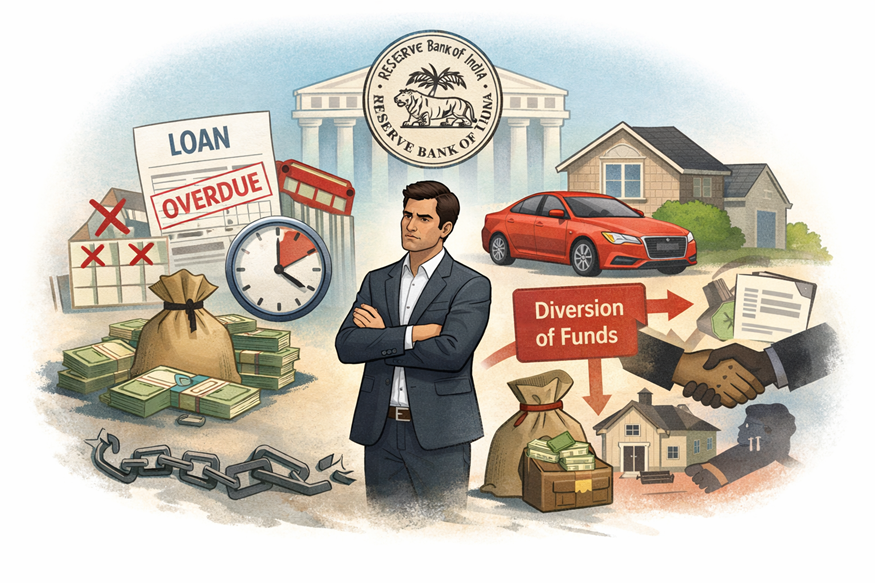
Loan defaults don’t all happen for the same reason. Sometimes repayments stop because income drops or a business struggles. In other cases, borrowers continue to have the means to pay but choose not to. RBI treats these two situations very differently.
'Wilful defaulter' is used only for deliberate non-payment, and the classification tends to persist for some time.
Who Is a Wilful Defaulter?
A wilful defaulter refers to a borrower who does not repay a loan even though repayment is possible.
When people ask what wilful defaulter behaviour is, it usually comes down to intent. The borrower may still have cash flows, assets, or access to funds. Yet payments are skipped. In some situations, the loan amount is used for purposes that were never approved. In others, assets linked to the loan quietly change hands.
This is why RBI does not treat all defaults alike. Financial difficulty can happen to anyone. Wilful default is about choice. That distinction defines who the wilful defaulters are.
RBI Guidelines on Wilful Defaulters
RBI has tried to remove subjectivity from this classification. The wilful defaulter RBI guidelines are meant to slow the process down, not speed it up.
Banks are required to look at more than just overdue amounts. They examine whether the borrower had the capacity to repay at the time of default. They also review how the loan funds were actually used. If recovery appears to have been deliberately obstructed, that is examined separately.
The RBI wilful defaulter rules also stress the procedure. Decisions cannot be made on suspicion alone. Files are reviewed internally. Evidence is documented. Borrowers are allowed to respond before any label is applied.
For borrowers who manage loans digitally, sometimes through a loan app, this framework explains why behaviour over time matters as much as payment history.
Also Read: RBI Guidelines for Recovery Agents: Protecting Borrower Rights
Criteria for Declaring a Wilful Defaulter
RBI highlights certain situations that may point to wilful default:
• Capacity to Repay but No Repayment: Funds are available, yet repayment is avoided.
• Diversion of Funds: Loan proceeds are used for activities outside the sanctioned purpose.
• Syphoning of Funds: Money is routed in a way that weakens recovery.
• Unauthorised Disposal of Assets: Secured assets are sold or transferred without consent.
These are not assumed lightly. Each point is examined individually under the wilful defaulter RBI guidelines, using financial records and transaction trails.
Also Read: RBI Guidelines on Education Loans
Due Process and Fairness in Classification
RBI mandates a two-committee mechanism. The first committee reviews the facts and forms an initial view. The borrower is then invited to submit explanations and documents.
After that, the case moves to a second committee that was not part of the first review. The intention here is straightforward.
Planning to borrow funds but unsure if you’re eligible? Check your eligibility using Hero FinCorp’s eligibility calculator and make informed financial decisions with confidence.
Consequences of Being Declared a Wilful Defaulter

The wilful defaulter consequences extend well beyond the original loan.
• Access to new credit is usually restricted
• Legal recovery action may follow
• Credit reports reflect long-term damage
• Reputational impact can be significant
• Company directors may face restrictions
• Raising funds becomes difficult
Also Read: Personal Loan Default Consequences in India & Legal Impact
Process for Removal from the Wilful Defaulter List
The removal of a name from the wilful defaulter list is possible, but it does not happen on its own.
If you are trying to understand how to remove wilful defaulter status, the process usually involves a few formal steps and careful review by the lender:
1. Clearing outstanding dues or reaching a documented settlement
2. Meeting any additional conditions imposed by the lender
3. Submitting a written request with supporting documents
4. Allowing internal committees to review the case
5. Waiting for confirmation and record updates
Wondering how to repay on time? Use our instant loan app to explore flexible loan options and repayment plans that fit your budget and schedule!
A Practical Way Forward
Wilful default is treated differently because it reflects intent, not hardship. RBI’s framework is designed to capture that difference through checks and processes. For borrowers reviewing their credit position, understanding these rules helps avoid lasting damage.
If you are reassessing borrowing options, we've got you covered. At Hero FinCorp, you can check your eligibility, understand terms upfront, and explore responsible lending options through a fully digital journey, so you move forward with confidence, not urgency.
So why wait? Explore our personal loan solutions today and take the next step with clarity and control!
Frequently Asked Questions
Can an individual borrower be declared a wilful defaulter?
Yes, it can happen. This tag is not only for companies. If an individual borrower can repay but chooses not to, banks can treat them as a wilful defaulter.
What is the difference between wilful and non-wilful default?
Wilful default is about choice. Non-wilful default usually occurs when someone genuinely cannot pay due to job loss, business issues, or unexpected financial problems.
Can my name be removed from the wilful defaulter list? How?
Yes, but it takes time. In most cases, the dues need to be cleared or settled first. After that, the bank reviews the case before removing the name.
How does wilful default impact my credit score and future loans?
It makes things difficult. Getting new loans becomes harder, and even small credit applications may be rejected for a long period.
What legal actions can RBI or banks take against wilful defaulters?
Banks can start recovery action and, if required, take the matter to court, depending on the situation.