Automatic Transmission Bikes in India: Best Automatic Bikes to Consider in 2026

- What Are Automatic Transmission Bikes?
- How Automatic Transmission Works in Bikes
- Difference Between Automatic, Semi-Automatic and Manual Bikes
- Why Are Automatic Bikes Becoming Popular in India?
- Top 10 Automatic Transmission Bikes in India (2026)
- Types of Automatic Transmission Technologies Used in Bikes
- Automatic Transmission Bikes vs Manual Bikes: Which Is Better?
- Key Benefits of Buying an Automatic Transmission Bike
- Things to Consider Before Buying an Automatic Bike
- Finance Automatic Bikes with Hero FinCorp
- Conclusion
- Frequently Asked Questions
Picture the evening crawl home. Clutch in, first gear, roll a metre, clutch in again. Your left hand is aching before you have even cleared the second signal. Sound familiar? You have probably eyed a gearless scooter or an electric and wondered why you are still doing all this work.
Plenty of Indian riders hit that exact wall, which is why automatics are everywhere in 2026. Let's sort out what they are, and which ones actually earn your money.
What Are Automatic Transmission Bikes?
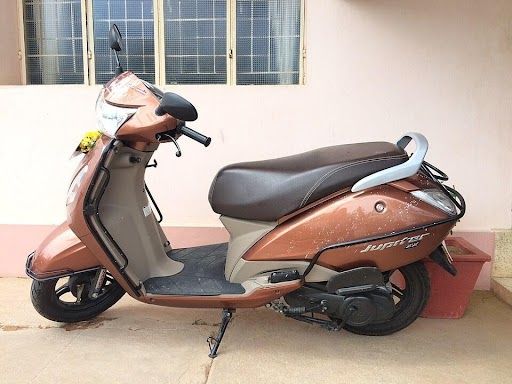
The idea is dead simple. The bike does the shifting; you do not. No clutch to squeeze, nothing to kick up or down. Roll the throttle, it sorts the ratio, you ride. Every gearless scooter works like this, and so does pretty much every electric on the road now.
How Automatic Transmission Works in Bikes
There's some genuinely clever engineering hiding under that floorboard. A petrol scooter runs a CVT, which reads your speed and throttle and quietly picks the ratio without you ever touching a lever. An electric skips the whole idea of gears; the motor just spins the wheel directly. Different plumbing, same outcome for you: nothing to squeeze, nothing to kick. Bliss, frankly.
Difference Between Automatic, Semi-Automatic and Manual Bikes
Quick refresher. A manual makes you work the clutch and the gears. A semi-automatic drops the clutch lever but still wants you shifting. An automatic handles the lot. Side by side:
| Type | What You Do | Suits |
|---|---|---|
| Manual | Work the clutch and change gears | Riders who want full control |
| Semi-automatic | No clutch, but you still shift | Learners easing in |
| Automatic | Just twist and go | City commuters and beginners |
Why Are Automatic Bikes Becoming Popular in India?
Walk into any showroom this year, and it is the automatics people are queuing for. So what changed? A few things keep coming up.
- Easier City Commuting
- Reduced Rider Fatigue
- Beginner-Friendly Riding Experience
- Improved Traffic Handling
Top 10 Automatic Transmission Bikes in India (2026)
Ten bikes worth a look this year, a mix of dependable family scooters and electrics that can genuinely move. Prices and mileage figures shift often enough that you're better off confirming both at the showroom before you sign anything.
| Model | Transmission | Best For |
|---|---|---|
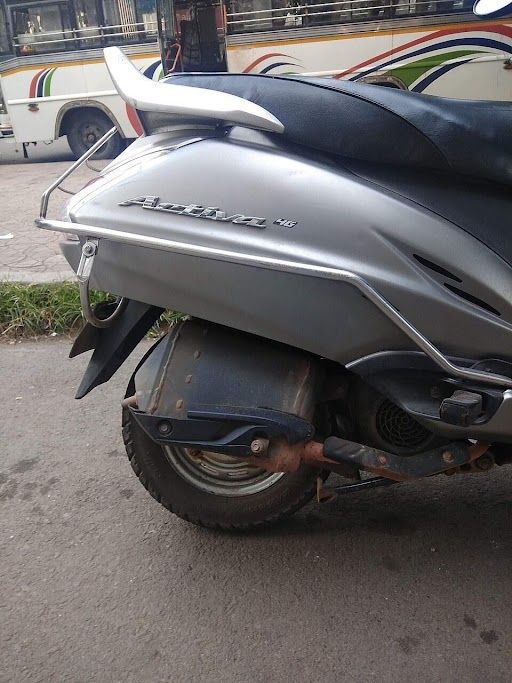
| Honda Activa 125 | CVT (petrol) | Never worrying about finding a mechanic |
| TVS Jupiter 125 | CVT (petrol) | Grocery runs and a full back seat |
| Suzuki Access 125 | CVT (petrol) | Wanting a little more punch off the line |
| Hero Xoom 125 | CVT (petrol) | Looks, from Hero MotoCorp's stable |
| Hero Destini 125 | CVT (petrol) | Keeping the family budget in check |
| Ather 450X | Electric direct drive | Surprising people at the signal |
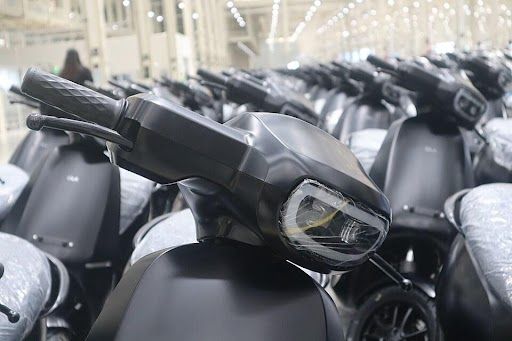
| Ola S1 Pro | Electric direct drive | Squeezing more range out of one charge |
| Hero Vida V2 | Electric direct drive | Living in the connected-app ecosystem |
| Aprilia SR 160 | CVT (petrol) | An automatic that still looks the part |
| Yamaha Aerox 155 | CVT (petrol) | Riders who still want some performance |
Quick word on why these ten, and not some other ten.
Activa 125 sells so well that every second mechanic in the country has fixed one, which matters more than people admit once something starts rattling in year two. Jupiter counters with a boot big enough for actual groceries and a seat wide enough that nobody's complaining on the Sunday family run. If the Activa feels sleepy pulling away from a signal, that's exactly the gap the Access 125 fills.
Electric side tells a different story. The 450X has enough shove off the line to catch out anyone who still thinks scooters can't be quick. S1 Pro gives up a bit of that punch for a longer stretch between charges. Vida is betting on something else entirely: the app, the connected dashboard, less about outright speed. SR 160 and the Aerox 155 close things out, and neither one apologises for being automatic; styling-wise they're closer to a proper motorcycle than a scooter.
One thing on those badges. Xoom, Destini and Vida are all Hero MotoCorp bikes, and since that is the biggest two-wheeler maker going, you are never far from a service centre when something needs a look.
Types of Automatic Transmission Technologies Used in Bikes
"Automatic" is a bit of a catch-all. Under that one word sit a few very different bits of engineering, and it pays to know which is which before you sign.
CVT (Continuously Variable Transmission)
The old reliable behind nearly every petrol scooter. A belt and a pair of pulleys slide through endless ratios, so there is no clunk, no step, no drama. Proven, and cheap to keep running.
DCT (Dual Clutch Transmission)
You will not find this on a scooter. It lives on the pricier motorcycles. Two clutches keep the next gear loaded, so changes snap through almost before you clock them. Automatic ease, geared-bike bite.
Electric Direct Drive Transmission
Electrics barely have a gearbox to speak of. The motor sends its pull straight to the wheel, which is why they leap off the line like that, and why there is next to nothing to service.
AMT and Emerging Technologies
AMT is really just a regular gearbox handed over to a computer for the shifting duty, and a handful of manufacturers are testing it on two-wheelers now. Give it a couple of years and this clutch-by-wire approach will probably show up on far more bikes than it does today.
Automatic Transmission Bikes vs Manual Bikes: Which Is Better?
Neither one wins clean. It comes down to where your kilometres happen.
Best Choice for Daily Commuters
Mostly city riding? Automatic, no contest. Less grind in the jams. Quicker away from the lights. And one less thing to keep half your brain on.
Best Choice for Touring Enthusiasts
Once the road opens up into long highway stretches or proper ghat sections, a geared bike still makes more sense, or a DCT if your budget allows it. You want that engine braking control back the moment the corners start.
Key Benefits of Buying an Automatic Transmission Bike
Past the obvious convenience, the little wins stack up.
- Smooth Gear Shifts
- Comfortable Long-Distance Riding
- Less Rider Stress in Traffic
- Beginner-Friendly Experience
Things to Consider Before Buying an Automatic Bike
Before the money leaves your account, run down this short list.
Budget and Ownership Cost
The on-road price is only the start. Insurance, the odd service, a home charger if it is electric, all of it adds up across the years you keep the thing.
Maintenance and Service Network
Low-fuss, both of them, no argument there. Even so, you want a service point close by that has actually seen the model before.
Mileage Expectations
A petrol automatic sips a little more than a really frugal manual; that is just physics. Electrics? Pennies per kilometre, as long as you plan the charging around your day.
Intended Usage (City vs Highway)
City rat-runs? Automatic, easily. Regular highway hauls? At least weigh a geared bike or a DCT first.
Finance Automatic Bikes with Hero FinCorp
Found the one? You do not have to clean out your savings to ride it home. A two-wheeler loan from Hero FinCorp breaks the cost into EMIs you will hardly notice, approvals are quick, and the paperwork is thin. It sits inside the Hero Group, so it is a natural fit for a Hero MotoCorp ride, though it will happily fund any badge.
Conclusion
City riders used to settle for automatics as a fallback option. That thinking is dated now; the 2026 lineup makes a real case on its own terms. Work out where your kilometres actually happen, pick the transmission that fits, and swing by a showroom to test more than one before the paint job wins the argument for you. Small warning from experience: a month of clutch-free riding, and going back to a manual feels oddly like a step down.
Ready to ride one home? Line up a Hero FinCorp two-wheeler loan, or if you would rather stay flexible, apply for a personal loan and map out the EMIs on the EMI calculator. The whole thing runs from your phone on the Hero FinCorp app.
Frequently Asked Questions
Which is the best automatic transmission bike in India?
Depends what you're after, honestly. Reliability is where the Activa 125 wins, hands down. Ather 450X or Hero Vida V2 if you'd rather go electric, both worth sitting on before you sign anything.
Are automatic bikes available in India?
Plenty. Gearless scooters were never anything else. Every electric two-wheeler counts too, and a handful of premium motorcycles now throw DCT into the spec sheet.
What is the difference between CVT and DCT transmission?
CVT slides between ratios through a belt and pulley, nothing you'd notice as a gear change, and that's basically every scooter. DCT is a different animal, two clutches holding the next gear ready so the shift barely registers, though so far it's only fitted to the pricier motorcycles.
Are automatic bikes good for beginners?
Good for them, arguably built for them. Take away the clutch and shifting and a new rider is only wrestling with balance and braking, which trims the learning curve down fast.
Do automatic bikes require less maintenance than manual bikes?
Mostly. Less can go wrong inside a CVT than a full gearbox, and an electric drivetrain barely asks for servicing at all.
Which automatic bike offers the best mileage in India?
Among the petrol crowd, 125cc commuters like the Activa and Jupiter sip fuel efficiently. Electrics beat them on running cost anyway; you're just trading fuel stops for charging time.
Is bike insurance more expensive for automatic transmission bikes?
Not because it's automatic. Premiums come down to the bike's value, engine size, and your own riding history; the gearbox itself doesn't factor in.
Disclaimer: The information provided in this blog post is intended for informational purposes only. The content is based on research and opinions available at the time of writing. While we strive to ensure accuracy, we do not claim to be exhaustive or definitive. Readers are advised to independently verify any details mentioned here, such as specifications, features, and availability, before making any decisions. Hero FinCorp does not take responsibility for any discrepancies, inaccuracies, or changes that may occur after the publication of this blog. The choice to rely on the information presented herein is at the reader's discretion, and we recommend consulting official sources and experts for the most up-to-date and accurate information about the featured products.