Top 10 High-Mileage Electric Bikes and Scooters in India (2026): Price, Range, and Real-World Comparison

- Top 10 High-Mileage Electric Bikes and Scooters in India
- Scooter or Motorcycle? Depends What You're Actually Doing
- Charging Time, Ranked
- What You'll Actually Save on Running Costs
- Total Cost of Ownership Over Five Years
- How to Judge Real-World Range vs What's on the Box
- Charging at Home, in Public, or Just Swapping the Battery
- Government Subsidies and Tax Breaks
- Maintenance and Battery Life, No Sugarcoating
- Insurance and Financing an Electric Two-Wheeler
- Common Complaints Owners Actually Have
- Which One Should You Actually Buy
- Frequently Asked Questions
My neighbour bought an electric scooter last year. Told me it was for the environment. It wasn't, not really, he just got sick of arguing with the petrol pump guy over exact change every single week. Now he's the guy with a spreadsheet tracking fuel savings, which honestly I found a bit much until he actually showed me the numbers. Fine. Point taken. Here's ten of them, ranked on stuff that actually matters when you're handing over money, not the stuff on the brochure.
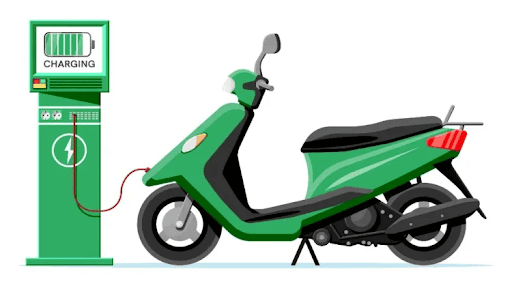
Top 10 High-Mileage Electric Bikes and Scooters in India
Quick note first. Ex-showroom prices, all of them, and they shift by state and by variant so don't come back at me over a thousand rupees either way.
1. Ola S1 Pro: Ola S1 Pro. About ₹1.4 lakh. 4kWh battery, up to 181km if you believe the sticker. What got me was the fast-charge thing though, 75km back in 18 minutes, and that's the number that actually matters on a Tuesday, not the 181.
2. Ather 450X : Ather 450X costs more, ₹1.55 lakh, smaller battery too at 3.7kWh, maybe 111km once you're actually riding it in traffic. Doesn't matter. Nobody's buying this one for the battery. It's the app. Ather's software just works, has for years, and their update history makes most competitors look like they gave up after launch.
3. Bajaj Chetak next: Bajaj Chetak next. ₹1.19 lakh, smallest pack here at 3.5kWh, and because of that it also charges fastest. Nothing about it tries to sell you anything. That's kind of refreshing actually, in a segment full of screens and app notifications.
4. TVS iQube ST : TVS iQube ST is the one I keep coming back to. ₹1.5 lakh, 5.3kWh, around 150km, and a charger strong enough to hit 80% in about four hours eighteen minutes on a battery half again bigger than the Chetak's. Almost as fast, way more battery. That's the underrated one on this whole list, if you ask me.
5. Ather Rizta: Family scooter goes to the Ather Rizta, ₹1.21 lakh, 34 litres of underseat room. Helmets, laptop bag, small grocery haul, all fits, no backpack required.
6. Hero Vida V2: Hero Vida V2 is the cheap one, roughly ₹1 lakh, shortest range of the bunch and it knows it, doesn't try to hide it.
Want range above everything else?
7. Simple One: Simple One, ₹1.45 lakh, past 200km on the bigger pack. Longest legs of any scooter here, full stop.
8. Honda's Activa : Honda's Activa e sits near ₹1.18 lakh and honestly its whole pitch has nothing to do with the battery, it's that Honda mechanics exist in basically every small town in this country already, and that service network doesn't disappear just because the engine got swapped for a motor.
Two of these aren't scooters.
9. Revolt RV400: Revolt RV400, an electric motorcycle, around ₹1.4 lakh, roughly 150km, and it swaps batteries instead of plugging in, which helps if home charging genuinely isn't an option where you live. Then
10. Ultraviolette F77: Ultraviolette F77, the expensive one at about ₹3.09 lakh, claiming anywhere from 211 to 323km depending which riding mode you pick. This one isn't really on the same list as the rest, if we're honest. It's up against petrol performance bikes. Anyone shopping it already knows that.
Scooter or Motorcycle? Depends What You're Actually Doing
Scooters own the city, no argument there. Upright seat, easy in traffic, somewhere for your bag that isn't your back. F77 throws all that out for speed and range instead. Makes sense on the highway. Makes zero sense if you're doing a 6km office commute and just want to park somewhere without thinking about it.
Charging Time, Ranked
Small battery charges fast, that's not a discovery, that's just how batteries work, and it's why the Chetak wins this one by default. What's actually interesting is the iQube ST keeping pace almost exactly on a much bigger pack, because the charger itself is stronger, not because the battery's small. That's the real story here. Ola's fast-charge mode isn't trying to fill the tank at all, it's answering a totally different question: can I add just enough juice to get through lunch and back.
What You'll Actually Save on Running Costs
Rough math, nothing fancy. Home electricity, ₹1 to ₹1.50 a kilometre. Petrol, ₹2.50 to ₹4 at the pump today. Forty kilometres a day, five days a week, and you're saving somewhere between ₹1,600 and ₹2,400 most months, before you've even touched servicing. Over a year, that's ₹20,000 to ₹28,000, which happens to be roughly the price gap between a Vida V2 and an Ather 450X. Buy the cheap one. Let year one pay for the upgrade.
Total Cost of Ownership Over Five Years
Running cost is one number. Total cost is the real one: purchase price, five years of electricity, maybe a battery scare once warranty's gone, plus whatever servicing costs along the way. Someone doing 15km a day breaks even against a petrol scooter around year three, roughly. Someone doing 40km a day, and this is closer to what Hero FinCorp actually sees among its delivery-rider borrowers, breaks even inside eighteen months sometimes. It's distance that does the work here. Not how long you keep the thing parked outside your building.
How to Judge Real-World Range vs What's on the Box
Certified figures come out of a lab. Nobody's commute is a lab. Knock 20 to 30% off whatever number you're shown once you throw in actual traffic, the AC running, one flat-out highway stretch because you were late. A scooter claiming 150km is probably giving you 105, maybe 120 on an ordinary Tuesday. Plan for that number. Not the brochure one.
Charging at Home, in Public, or Just Swapping the Battery
Most people plug in overnight, forget about it, done, and that's genuinely the boring correct way to live with one of these. Public fast chargers exist, sure, mostly clustered in bigger cities, and they thin out the second you leave, so don't plan a road trip assuming you'll find one halfway. Revolt does it differently, you hand over a dead battery, walk out with a full one, no waiting. Whatever method you land on, try keeping the pack somewhere between 20 and 80%. Full charges wear it down. So do full drains. Small habit. Battery lasts longer for it.
Government Subsidies and Tax Breaks
FAME II shut down March 2024. PM E-DRIVE took over, running October 2024 through March 2028, paying ₹2,500 per kWh, capped at ₹5,000 a two-wheeler, good until July 2026 or until the money runs out, whichever happens first. States pile their own stuff on top of that. Delhi and Maharashtra skip road tax and registration entirely. Gujarat throws in a capital subsidy too, on top of whatever the centre's giving.
Maintenance and Battery Life, No Sugarcoating
No engine oil. No clutch. No exhaust to rot out eventually. That right there is most of why servicing costs less than a petrol scooter, it's just less machine to break. What's left to actually maintain: tyres, brakes, and eventually the battery, which is the one bill worth actually worrying about. Most packs come with a 3 to 5 year warranty though, so realistically that bill isn't landing anytime soon unless you've made a habit of fast-charging it daily for no real reason.
Insurance and Financing an Electric Two-Wheeler
Not everybody's paying cash upfront, and there's no shame in that. A Two Wheeler Loan turns the sticker price into an EMI, and it matters more here than it would on a petrol bike because EVs still cost more even after subsidies chip away at it. Worth checking your Two Wheeler Loan Eligibility before you go model-shopping, look at what the current Two Wheeler Loan Interest Rates actually are, run everything through a Two Wheeler Loan EMI Calculator so the monthly number doesn't ambush you three months in. The Two Wheeler Loan documents list, for what it's worth, is short. On insurance: don't assume your regular policy just covers the battery. Ask first. It's the single most expensive part on any of these machines if it gets damaged or stolen.
Common Complaints Owners Actually Have
Charging infrastructure disappears fast once you're outside a major city, that's the big one. App-connected scooters glitch sometimes, usually right after a software update lands, not because anything physically broke. Resale is still a bit of a question mark, there just isn't the decades of trade-in history petrol scooters have built up. And yes, batteries fade with age, quicker if fast-charging is a daily habit rather than an occasional emergency thing. None of it's a dealbreaker. It's just what nobody brings up while you're signing the paperwork in an air-conditioned showroom.
Which One Should You Actually Buy
Tight budget, short commute, don't overthink it: Vida V2 or Chetak. Want the whole package, software included: S1 Pro or 450X. Family runs, storage matters: Rizta, easy call. Chasing distance above everything: Simple One, RV400, or the F77 if your budget can actually stretch that far.
Frequently Asked Questions
Which electric scooter has the highest range in India?
Simple One, among the actual scooters here, over 200km real-world on the bigger battery. F77 claims more on paper, up to 323km, but that's a motorcycle. Not the same fight.
Which electric scooter is the best value under ₹1 lakh?
Hero Vida V2, basically by default since it's the only real contender sitting under that price line. Range takes a hit next to the pricier options but for a short daily hop, it's fine. Does the job, nothing more.
Is an electric scooter actually cheaper than petrol over time?
Past year two or three, generally yes. Higher upfront cost and thinner charging infrastructure outside big cities, that's the honest downside going in. But running and servicing stay cheaper for as long as you own it, and the gap only widens the more you ride.
What does battery replacement actually cost once warranty's done?
Somewhere between a third and half the original scooter price, depending on brand and pack size. Most people never actually see this bill though, not inside the usual 3 to 5 year warranty window.
Can I finance one instead of paying the whole thing upfront?
Yes, same process as any petrol bike: check eligibility, compare interest rates, run the EMI calculator, hand in a short documents list. PM E-DRIVE subsidies can shrink how much you actually need to borrow in the first place.
Disclaimer: The information provided in this blog post is intended for informational purposes only. The content is based on research and opinions available at the time of writing. While we strive to ensure accuracy, we do not claim to be exhaustive or definitive. Readers are advised to independently verify any details mentioned here, such as specifications, features, and availability, before making any decisions. Hero FinCorp does not take responsibility for any discrepancies, inaccuracies, or changes that may occur after the publication of this blog. The choice to rely on the information presented herein is at the reader's discretion, and we recommend consulting official sources and experts for the most up-to-date and accurate information about the featured products.